
Reviewed · ORTIGIA TOURS
Siracusa Tour: Ortigia by Night in English
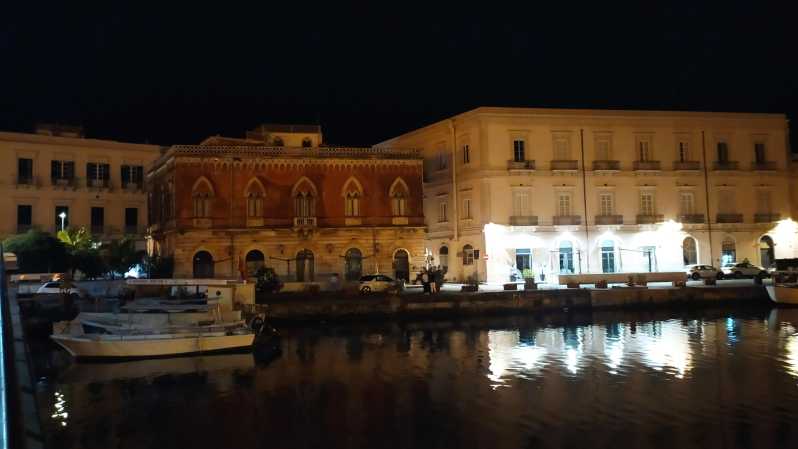
Ortigia changes character after dark. Street lamps soften the stonework, and the Greek remains, narrow lanes and grand piazzas become the setting for a two-hour walk through Siracusa’s oldest quarter. The route begins at the Temple of Apollo and ends at Fonte Aretusa, with an English-speaking guide to connect the sights with local stories.
I like two things in particular: the chance to see Greek temple remains alongside Gothic and Baroque architecture, and a route that links famous places such as Piazza Duomo with smaller streets like Via della Giudecca. Guides including Galina have also been praised for adapting their stories to a group’s interests, a useful quality when you’re exploring with family or friends.
One consideration: the listed price is $192.58 for a group of up to one, so check the total for your party before booking. The tour involves walking and is not suitable for wheelchair users. Comfortable shoes matter more than dress shoes, even on a romantic evening out.
- Start at the Temple of Apollo: Begin among the remains of one of Ortigia’s best-known ancient sites.
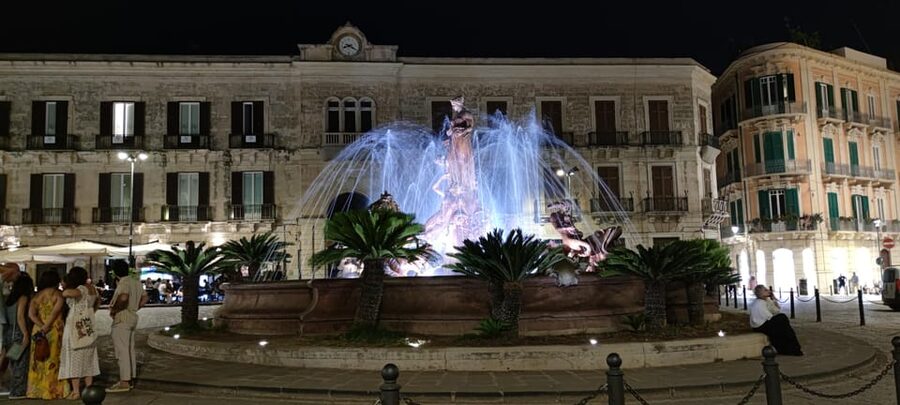
- See Ortigia by lamplight: Dim street lamps give monuments and old stone streets a softer nighttime look.
- Follow a varied route: Walk from Via Dione and Via della Giudecca to Piazza Duomo and Fonte Aretusa.
- Hear local stories: Your English-speaking guide shares history, myths and legends as you go.
- Make the most of a warm evening: A night walk can be a more pleasant way to explore during hot summer weather.
- Plan for two hours on foot: Food, drinks and hotel pickup are not included.
Why Ortigia works after dark
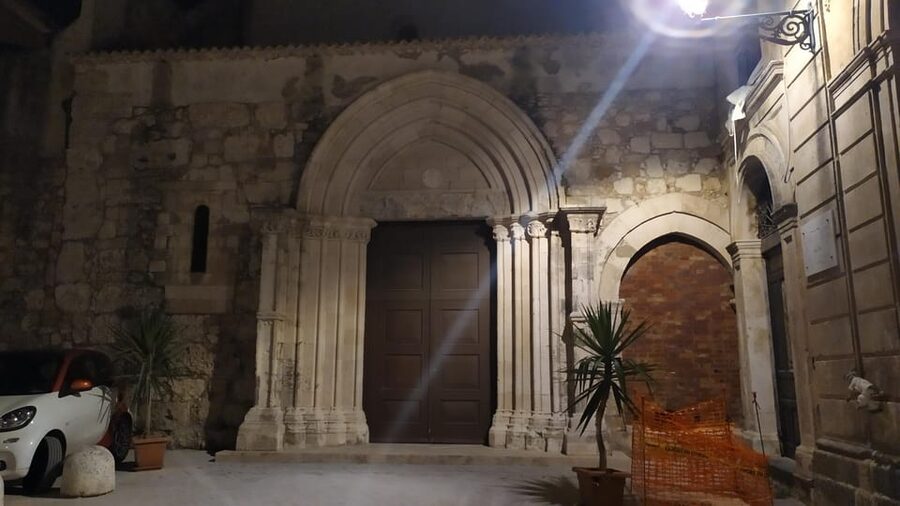
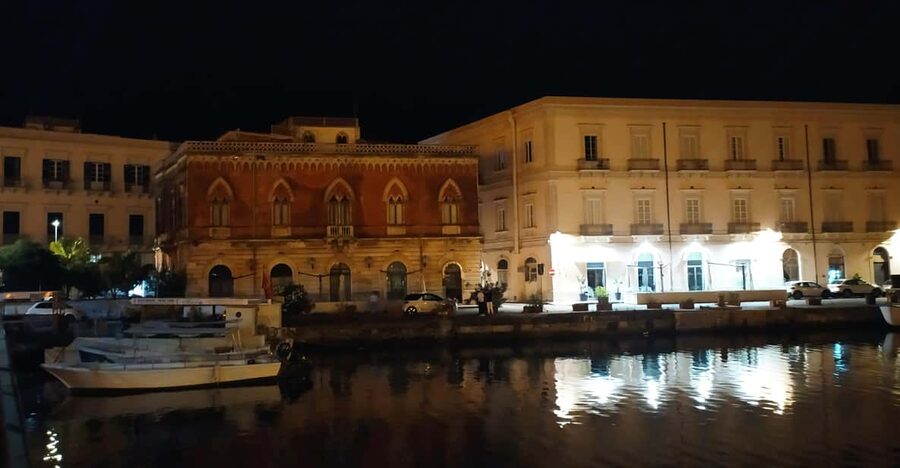
Ortigia is the compact island heart of Siracusa, and this tour makes the most of its old streets and architectural variety. Over two hours, you move from the remains of Greek temples to Gothic and Baroque palaces, passing piazzas and lanes that reveal different layers of the place. Rather than treating the island as a string of photo stops, the walk gives your guide time to explain how its monuments, myths and local stories fit together.
The nighttime setting is a real part of the experience, not just a scheduling detail. Dim lamps cast a gentle glow over the buildings, which can make familiar stonework feel more intimate and give you a different view from a daytime visit. The pace also suits a relaxed evening stroll, with stops for stories at several points along the way.
This is a guided walk, not a food tour or a ride between sights. You should expect to spend the full two hours on foot, following the route through streets and open squares. If you prefer to explore independently, the lanes are easy to wander on your own, but the guide adds context that helps the buildings make sense.
From Apollo’s temple into Via Dione
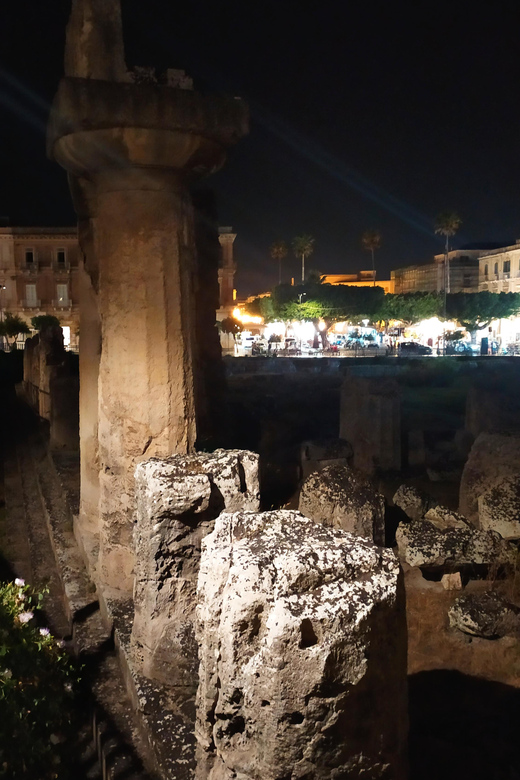
The meeting point is the ruins of the Greek Temple of Apollo, also called the Apollonion. Starting here puts ancient Siracusa right at the front of the evening. You can look over the remains before setting off, then hear your guide explain the monument and its place in the island’s long story.
The tour moves on to Via Dione, where the guided portion is listed at about ten minutes. That is enough time for the guide to introduce the character of the street and point out what to notice, but it is not a long visit to a single building. Think of this as a moving introduction to Ortigia’s street life and architecture.
The itinerary includes only short scheduled stops at some places, so the experience depends on the guide’s storytelling as much as on looking at each façade. If you want time to photograph every detail or revisit a spot, plan to return on your own later.
More Ortigia tours in Sicily:
- Syracuse: Boat Trip of Ortigia Island and Sea Caves
★ 4.7 · 937 reviews - Tour of the island of Ortigia and exploration of sea caves with baths.
★ 5.0 · 668 reviews - Siracusa: Ortigia Boat Tour with Marine Grotto
★ 4.7 · 617 reviews
Palazzo Montalto and Via della Maestranza
Palazzo Montalto is a brief stop, with about five minutes set aside for a guided look. Its place on the route helps show how Ortigia’s architectural character extends beyond the most famous ancient ruins. Here, you can take in a historic palace within the lived-in pattern of the old streets rather than seeing it as an isolated monument.
Next comes Via della Maestranza, with around ten minutes for a guided visit. This stretch offers a chance to notice the area’s palaces and the changing textures of the street as the evening light falls. The tour’s appeal lies in this contrast: the monumental Greek past is never far from the later architecture that shaped the island’s appearance.
Keep your camera ready, but don’t spend the whole walk looking through it. The route is most rewarding when you listen to the guide and then take a moment to look closely at the buildings yourself. A camera is recommended, though comfortable shoes are the more important item to bring.
Via della Giudecca and the Church of Saint John Baptist
Via della Giudecca gets about ten minutes, making it one of the longer named street stops. The route’s passage through this part of Ortigia gives you a chance to see more than the island’s grandest squares. The guide can tie the street and its surroundings to the wider account of Ortigia’s communities, monuments and changing culture.
The Church of Saint John Baptist is a shorter stop, around five minutes. That may be enough for an introduction and a look at the church, but not a lengthy interior visit. The supplied details do not specify whether the tour enters the church, so treat it as a guided stop rather than assuming access inside.
These smaller stops matter because they break up the walk between headline sights. A guide who can adjust the discussion to the interests of the group can make a short pause feel worthwhile. Galina, a guide associated with the experience, has been praised for tailoring information to a mixed-age family group and sharing useful ideas for further exploration. If you have a particular interest, such as architecture or local legends, it is sensible to mention it early.
Via Roma and Piazza Duomo
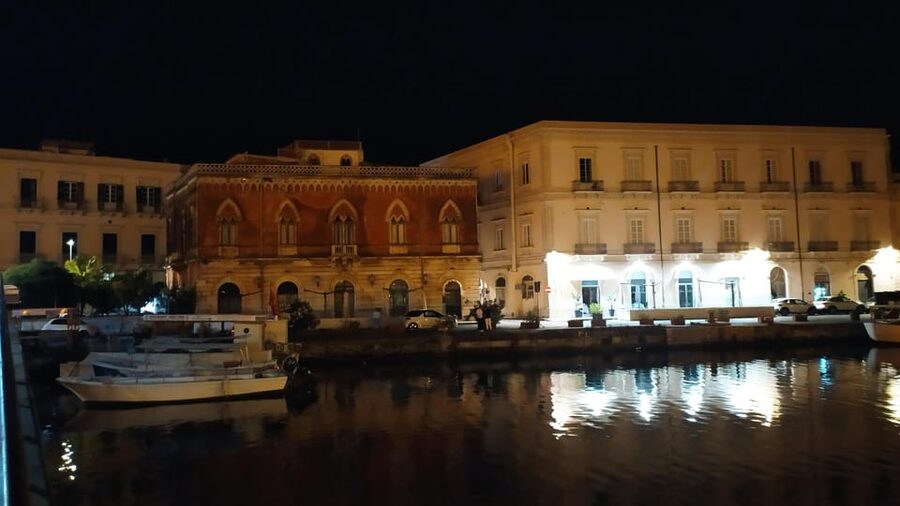
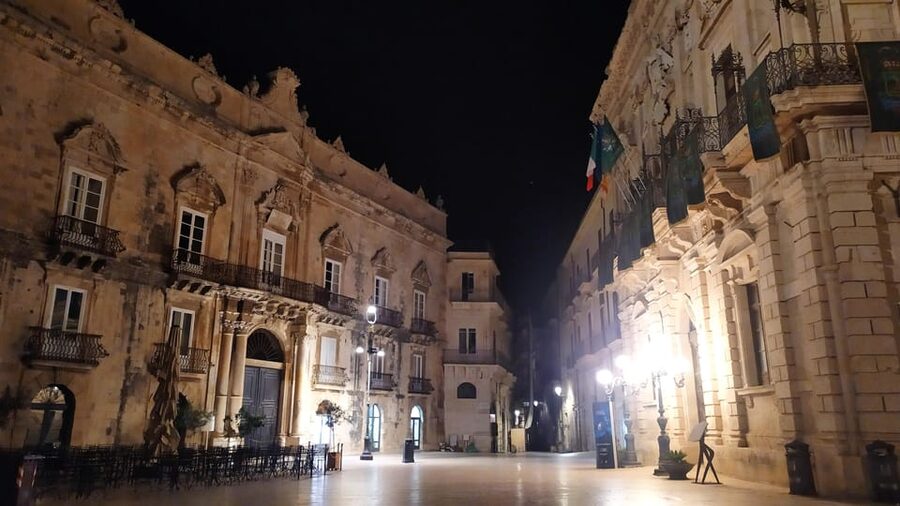
Via Roma is another short stop, listed at about five minutes. It provides a transition toward Piazza Duomo, where the tour allows roughly ten minutes. This square is one of the route’s main landmarks and a natural place to pause and take in Ortigia’s grander architectural setting.
The tour highlights Greek temples, including the remains of the Temple of Athena, alongside Gothic and Baroque palaces. Piazza Duomo is where the variety of Ortigia’s built past can come into especially clear view. Your guide’s explanations help you see the square not simply as a handsome backdrop, but as part of a much older story that reaches back to Greek Siracusa.
The nighttime light is especially suited to an unhurried look around the square. You can take photographs, listen, and absorb the scale of the buildings without turning the visit into a rushed checklist. Still, ten minutes is not a long time if you like detailed photography, so you may want to return in daylight for a closer look.
More evening outings in Sicily:
- Catania: Mount Etna Morning or Sunset Day Trip with Tasting
★ 4.8 · 4,028 reviews - Catania: Sunset Jeep Tour of Mount Etna and Lava Flow Caves
★ 4.8 · 2,113 reviews - From Milazzo: Panarea and Stromboli Boat Trip by Night
★ 4.2 · 1,605 reviews - Agrigento: Valley of the Temples Skip-the-Line Sunset Tour
★ 4.5 · 1,512 reviews
Ending at Fonte Aretusa
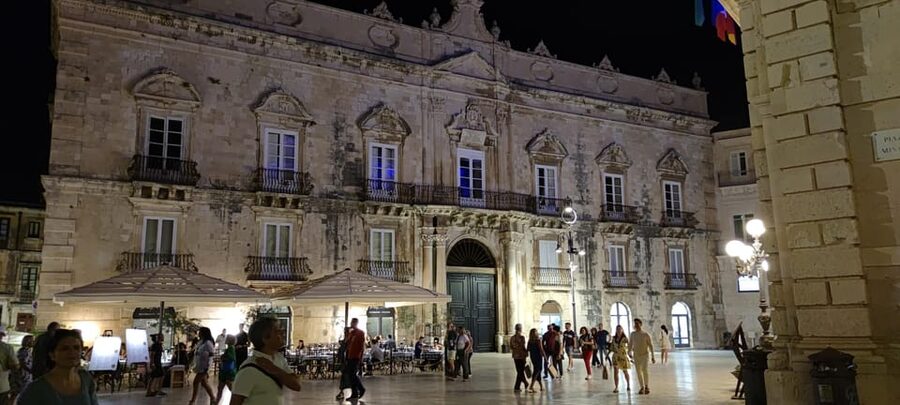
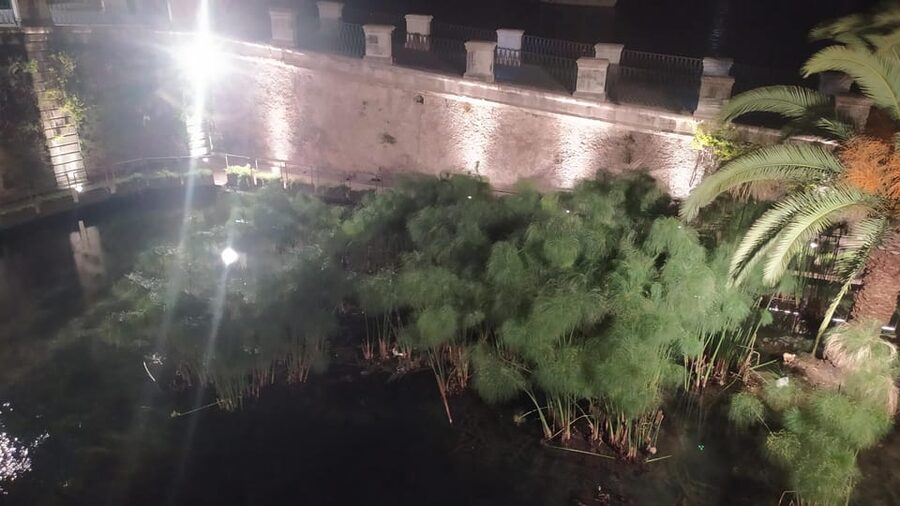
The walk finishes at Fonte Aretusa, a well-known landmark on the edge of Ortigia. The route returns to its meeting point at the end, according to the tour details, so check how the finish and return are handled when you confirm your plans. The fountain provides a fitting final stop after the lanes and piazzas, and gives the guide a chance to bring the evening’s stories to a close.
The itinerary’s listed guided-stop times add up to less than the full two hours. The rest of the time is for walking between places and for the guide to explain what you are seeing along the way. That is normal for a walking tour, but it is worth understanding if you are comparing it with an activity built around long visits at a single site.
The guide is central to the experience
The monuments are impressive on their own, but the tour’s strongest value is the guide’s ability to make them legible. You are not just passing an ancient temple or palace after dark. You are hearing stories about history, myths and legends that give the architecture a human frame.
Galina is named in connection with the tour, and her approach has been described as passionate and flexible, with information shaped around a family group’s range of interests. Another group of seven appreciated a guide’s familiarity with the city and friendly manner. These details suggest the walk can work well for different group types, but they do not guarantee the same guide or style on every departure.
If your group includes children, history fans and people who mainly want a pleasant evening walk, tell the guide what interests you. A responsive guide can balance those needs better than a fixed lecture. You can also ask for recommendations for exploring Ortigia further, something that has been useful to people taking the tour.
Price, timing and practical details
The tour lasts two hours, and starting times depend on availability. The listed price is $192.58 for a group of up to one. Because that pricing description is specific, check the booking total and party details before paying rather than assuming the rate covers several people. The value will depend on your group size and how much you value having a local guide explain the sights.
For a solo visitor, the cost may feel steep for a two-hour walk. For a small group splitting a confirmed group rate, the per-person cost could be more appealing, but verify the actual price for your party first. The guide is included. Hotel pickup and drop-off, food and drinks are not, so arrange your own route to the Temple of Apollo and plan your evening meal separately.
The experience is in English and involves walking through streets and squares. It is not suitable for wheelchair users. Wear comfortable shoes, especially if you are spending the rest of the evening on foot, and bring a camera if you want to capture the architecture under the lamps. The tour allows free cancellation up to 24 hours in advance, and a reserve-now, pay-later option is available.
A night walk may be particularly appealing in July or during other hot periods. One family found the evening timing made for a more pleasant walk in hot July weather. That is a practical advantage: you can see Ortigia’s sights while avoiding the strongest daytime heat, though the tour’s exact starting time varies.
Who should book this Ortigia walk
I’d consider this tour if you want an introduction to Ortigia that combines ancient Greek remains, later architecture and local storytelling. It suits first-time visitors who would rather have a guide connect the stops than wander without context. It also makes sense for families or friends with varied interests, especially if the guide can adapt the discussion to the group.
It is less suited to anyone who wants a long, detailed visit inside each monument, a meal included, or a wheelchair-accessible route. The short stops mean you should think of the tour as a guided overview, not a deep examination of every site. If you already know Ortigia well, the nighttime atmosphere and stories may still appeal, but the value will depend on how much you enjoy guided walks.
Before booking, check the price against your party size and confirm the starting time. If the cost works and you are comfortable walking for two hours, this is a good way to get your bearings and see the island’s best-known sights in a calmer evening light. If you want to linger, use the tour as an introduction and return to your favorite places afterward.
FAQ
How long is the Ortigia night tour?
The tour lasts two hours. Check availability for the starting times offered on your date.
What language is the tour in?
The live guide speaks English.
Where does the tour start?
The meeting point is the ruins of the Greek Temple of Apollo, also known as the Apollonion.
Where does the tour finish?
The route ends at Fonte Aretusa, and the activity is described as ending back at the meeting point.
What sights are included?
The route includes Via Dione, Palazzo Montalto, Via della Maestranza, Via della Giudecca, the Church of Saint John Baptist, Via Roma, Piazza Duomo and Fonte Aretusa. The highlights include the Greek remains of the temples of Apollo and Athena, along with Gothic and Baroque palaces.
Is food or hotel pickup included?
No. Food, drinks, hotel pickup and hotel drop-off are not included.
What should I bring?
Wear comfortable shoes because the tour involves walking. A camera is recommended for photographing the sights.
Can I cancel, and is the tour wheelchair accessible?
You can cancel up to 24 hours in advance for a full refund. The tour is not suitable for wheelchair users.
Newest tours in Sicily
- Private Godfather Tour with Sicilian Cannoli Tasting★ 5.0 · 15 reviews
- Messina Shore Excursion: Private Tour Tindari, Milazzo And Messina★ 5.0 · 4 reviews
- From Messina Cruise Terminal: Private Godfather tour + Lunch★ 5.0 · 29 reviews
- Messina, Group Tour For Etna and Taormina Cruisers★ 5.0 · 15 reviews
- Taormina: Private/Guided Godfather with Authentic Pizza Tasting★ 5.0 · 5 reviews
- Private Taormina White Lotus luxury experience★ 5.0 · 4 reviews
- Etna Alcantara tour: the majestic lava landscape★ 4.5 · 13 reviews
- Half Day Private Tour to Messina Taormina and Castelmola★ 5.0 · 33 reviews
Ortigia Tours, compared.
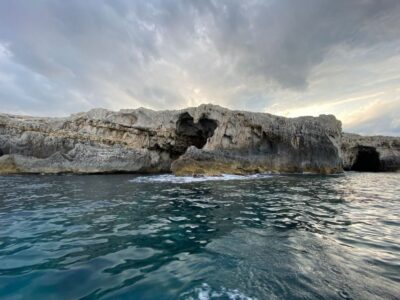
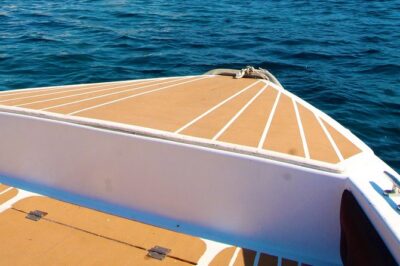
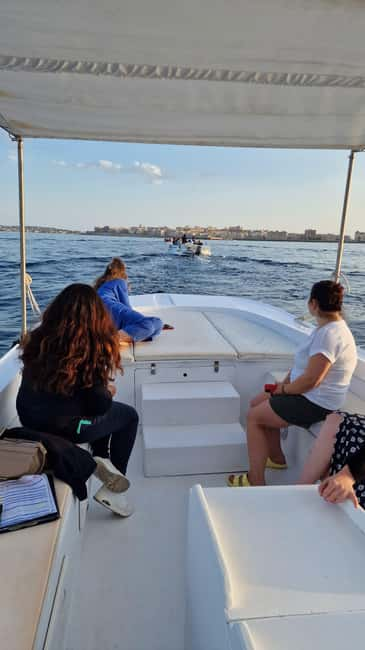
Tour of the island of Ortigia and exploration of sea caves with baths.
Read our review →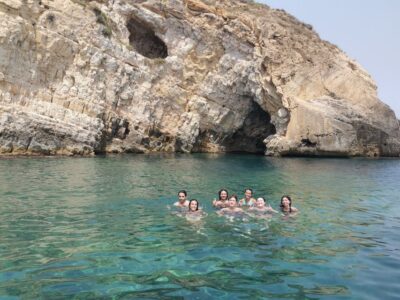
Ortigia & Sea Caves Speedboat Tour with Swim Stop
Read our review →
Street Food Walking Tour in Ortigia with Tastings
Read our review →Browse the lists this tour appears in