
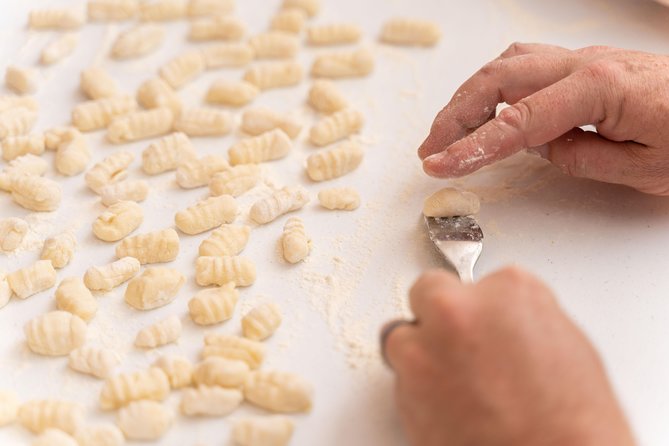
Reviewed · CATANIA TOURS
Private Catania Pasta-Making Class in a Local Home by Cesarine
Fresh pasta is the point, but the real pleasure is making it in someone’s home rather than watching a demonstration from the other side of a counter. You’ll shape dough, learn how local pasta dishes come together, and sit down to eat what you helped make. I like the private instruction and the chance to hear about Sicilian food from the person who cooks it.
I also like that this is more than a quick lesson: classes often include an aperitivo, several pasta shapes, sauces, and a generous meal. Hosts such as Maurizio, Angela, and Antonella have added personal touches, from family recipes to stories and music. The main consideration is that the menu and host vary, so you shouldn’t count on one exact dish or extra such as tiramisu.
At a glance
- Cook in a local home: This is a private activity, so only your party participates.
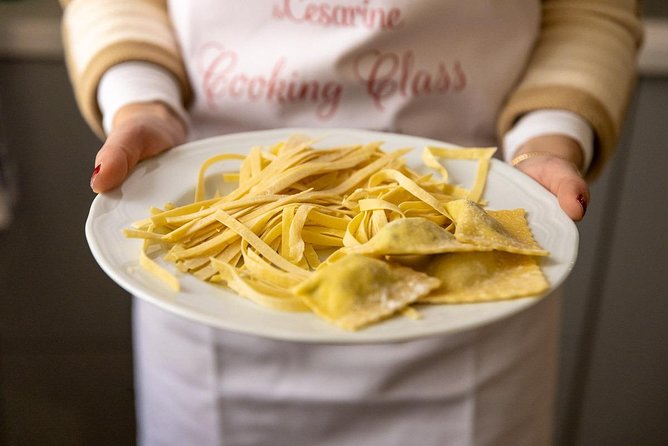
- Make pasta by hand: You may work with shapes such as busiate, ravioli, tagliatelle, gnocchi, or anellini.
- Begin with an aperitivo: Prosecco and nibbles set the tone for an Italian-style visit.
- Expect a full meal: Your pasta is served with sauce and a selection of local wines.
- Plan for about three hours: This is a meal and a lesson, not a quick stop.
- Book ahead if you can: The experience is booked an average of 51 days in advance, though one person booked at the last minute.
A Catania kitchen, not a cooking-school counter
This class takes place at a Cesarine host’s home in Catania. That changes the feel of the lesson. You’re not simply following a recipe in a commercial kitchen; you’re welcomed into a domestic space, where the host can share the food and habits that shape everyday Sicilian cooking.
The host varies. Names associated with classes in Catania include Grazia, Maurizio, Angela, Antonella, Laura, Paola, and Francesca. You won’t necessarily be paired with a particular person, so book for the format and the food rather than expecting a specific host. The stories from these kitchens can be part of the lesson: some hosts explain the history of a dish or why certain ingredients belong together.
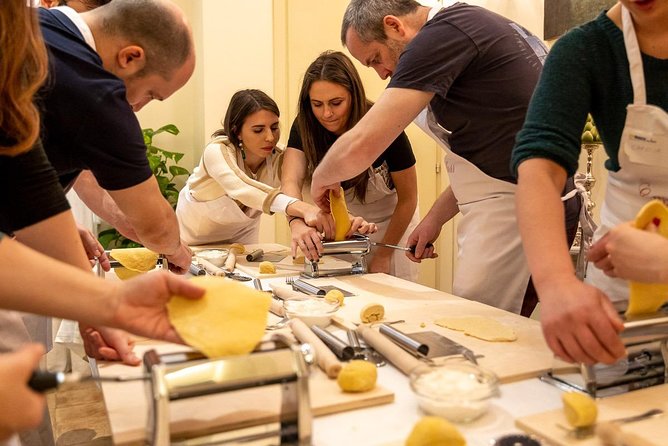
The activity is private, meaning only your own party participates. That’s useful if you want to ask questions, work at your own pace, or bring children without worrying about keeping up with strangers. It also makes the visit feel more personal than a larger group class.
More hands-on workshops in Catania:
- Catania: Pistachio Ravioli, Pasta Home Cooking Class w/ Wine
★ 4.7 · 204 reviews - Cooking lesson in Catania with lunch or dinner
★ 5.0 · 154 reviews - Catania: Market Tour and Cooking Class with Chef Riccardo
★ 5.0 · 40 reviews
The welcome: prosecco, nibbles, and a little conversation
The class begins with an aperitivo, the Italian habit of easing into a meal with a drink and a few bites. The sample menu lists prosecco and nibbles. In practice, hosts have served starters such as bruschetta, and some have offered breakfast or other local bites before the pasta work begins.
This opening matters. You get a chance to settle in and meet your host before turning to the work surface. It can also make the visit feel less like a lesson and more like an invitation to someone’s home. If you arrive hungry, don’t overdo it: several courses follow, and the meal can be generous.
A few hosts have been especially flexible about timing or food preferences. One welcomed an early-arriving party inside and served food while finishing preparations; another accommodated preferences shared in advance. Those examples are encouraging, but they aren’t a promise of early access or a specific dietary accommodation. If you have a food need, raise it before the class.
From dough to pasta shapes
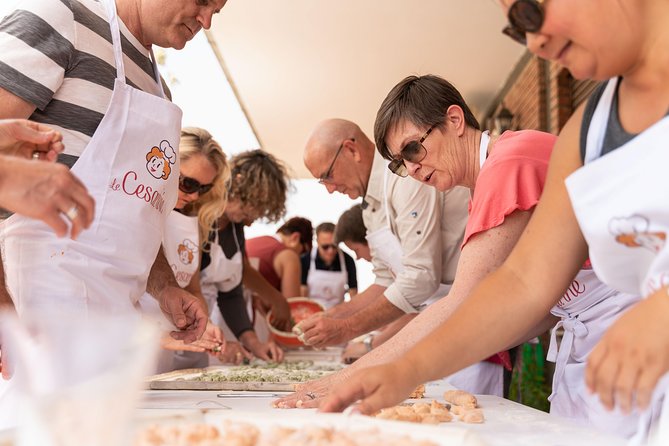
The central activity is making pasta by hand. You’ll get guidance from your host as you work with the dough and shape it, rather than simply watching someone else do the tricky part. The class is presented as a chance to learn three pasta dishes, though the precise shapes and number can vary by host and session.
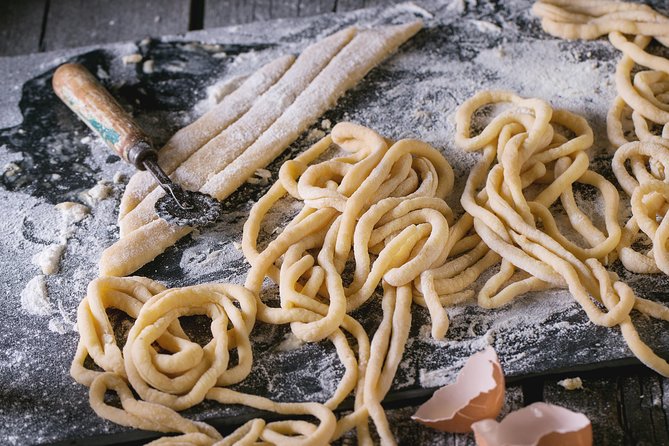
Possible examples include busiate, ravioli, tagliatelle, gnocchi, and anellini. That range gives you a feel for how different pasta forms suit different sauces and fillings. Some classes have made three pasta types; others have made two, with an additional dish or activity alongside them. Treat the listed shapes as examples, not a guaranteed menu.
The hands-on nature is the main value here. Pasta making looks simple until you have to judge dough texture or get a shape right. With a host beside you, you can ask for a correction as you go, then take those techniques home and practice them again. Several hosts also share recipes afterward, though that extra is not guaranteed.
The lesson may suit beginners particularly well. You don’t need to arrive with culinary experience to enjoy rolling, shaping, and cooking pasta. If you’re already comfortable making fresh pasta, the appeal is more likely to be the local recipes, host’s company, and meal than advanced technical instruction.
The meal: your work, served with sauce and wine
After the pasta is made, you sit down to eat it with sauce. The meal is the natural payoff, but it’s also where you can see why the shapes and ingredients matter. A host may prepare different sauces for different pastas, and the menu can go beyond the basic promise of handmade pasta.
Past classes have included tiramisu, focaccia, bruschetta, Sicilian granita, coffee, homemade gelato, and other appetizers. These additions sound tempting, but they are not fixed parts of the advertised sample menu. The dependable expectation is an aperitivo, handmade pasta with sauce, and a selection of local wines.
The portions may be substantial. You may be offered more food than you expect, and one host even sent leftovers home with a party. Go with room for lunch or dinner, depending on the class time. This is not a light snack between sightseeing stops.
Wine adds to the meal, but it’s not the only reason to book. The best part is the conversation around the table: how a family prepares a dish, why one sauce works with a particular pasta, or what local food means in daily life. Some hosts have shared stories about Sicilian culture; one has even played music. Those personal details depend on the host, but they help explain why a home class can feel different from a restaurant meal.
More private tours in Catania:
- From Taormina: Private Godfather Tour with Lunch
★ 4.9 · 128 reviews - Catania : Private Custom Walking Tour With A Guide (Private Tour)
★ 4.5 · 92 reviews - Catania: Private custom tour with a local guide
★ 4.7 · 78 reviews - From Taormina: Private 3 Etna Wineries with Food & Wine
★ 4.9 · 71 reviews
What the three hours feel like
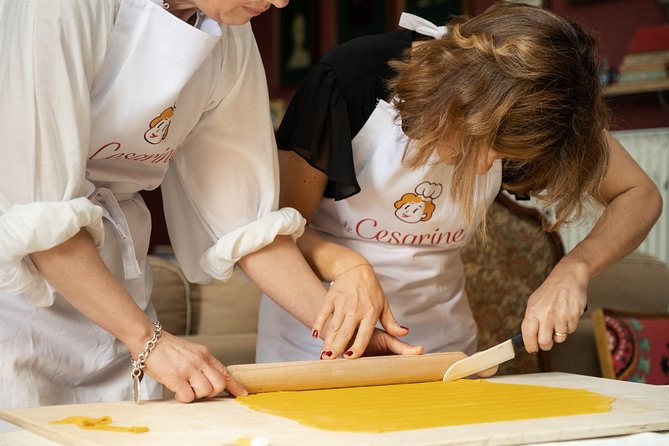
Allow about three hours from start to finish. The time includes the welcome, instruction, cooking, and eating, so it’s a leisurely half-day activity rather than a quick lesson. The exact rhythm will depend on the menu and the household.
You’ll likely spend the opening part of the visit meeting your host and enjoying the aperitivo. Then comes the practical work: mixing or handling dough, shaping pasta, and learning how the dishes are prepared. The meal follows, with the pasta cooked and served alongside sauces and wine.
That sequence suits a day when you can slow down. Don’t book it right before a timed attraction or a tight transfer if you can avoid it. The activity ends back at the meeting point, but the address is in Catania, and you should plan your route to the host’s home once the meeting details are confirmed.
The value of $174.69 per person
At $174.69 per person, this is a premium food activity. You’re paying for a private class, personal instruction, a meal, wine, and the chance to spend time in a local home. That is a different proposition from paying for a restaurant lunch or taking a large-group demonstration.
The value improves if you care about learning skills you can repeat at home. You’re not just tasting a Sicilian dish; you’re getting to handle the dough, try the shapes, and see how a local cook brings the meal together. If you leave with a recipe or a technique you use again, the class has lasting value beyond the afternoon itself.
On the other hand, this is less compelling if your priority is simply the lowest-cost meal in Catania. You may find a good plate of pasta for far less in a restaurant. The extra cost buys access to a host’s home and one-on-one guidance, not a promise of a particular chef, recipe, or set of extras. I’d choose it for the human connection and the cooking, not just for the amount of food.
Who will enjoy this class most
I’d recommend this to couples, families, and small private parties who want a relaxed activity with something to take home beyond photographs. Teenagers have enjoyed making pasta alongside parents, and the hands-on format can give them a welcome break from sightseeing. It also works well for anyone curious about Sicilian food but unsure how to recreate it in their own kitchen.
It’s a good fit if you value conversation as much as cooking. Some hosts speak English, and English is the language offered for the experience, but one party described communicating with a host largely through gestures. That doesn’t have to spoil the fun, but if detailed spoken instruction is essential to you, confirm language expectations when booking.
Think twice if you want a tightly standardized cooking class. The hosts bring their own style, and recipes, extras, and the number of pasta types can differ. That variety is part of the appeal for some people, but it means you should book for a home-cooking experience rather than a fixed menu.
A few practical details before you book
The activity lasts about three hours and is listed in Catania, in the Province of Catania. It is near public transportation, but the exact home and meeting details matter for planning your trip across town. One class location was a short Uber ride from the cruise port; that does not mean every host lives the same distance away.
The experience is offered in English and uses a mobile ticket. Confirmation is received at booking. It is commonly booked well ahead, with an average lead time of 51 days, but a last-minute booking has also worked. If your dates are fixed, booking early is the safer plan.
Free cancellation is available up to 24 hours before the start time for a full refund. Cancellations or changes made less than 24 hours before the start time are not accepted, and cut-off times use local time. Check your booking details for the exact start time and meeting instructions.
Should you book the Catania pasta class?
Book this if you want to cook, eat, and spend time with a local host in a private home. The best reasons are the hands-on pasta lesson, the chance to hear about family cooking traditions, and a proper meal at the end. I especially like the format for a family or couple who would rather share an activity than simply reserve another restaurant table.
Skip it if you mainly want a low-cost lunch, need a guaranteed dish such as tiramisu, or prefer a class with a fixed menu and identical instruction every time. The host and recipes vary, and the meal can be plentiful. If that sounds like a fair trade for an intimate Sicilian cooking session, this is a memorable way to spend part of a day in Catania.
FAQ
How long does the pasta class last?
Plan for about three hours. The visit includes the welcome, pasta making, cooking, and meal.
Is this a private activity?
Yes. Only your party participates in the private class.
What pasta might I learn to make?
Examples include busiate, ravioli, tagliatelle, gnocchi, and anellini. The specific selection can vary.
Is food included?
Yes. The class includes handmade pasta with sauce, along with an opening aperitivo of prosecco and nibbles. A selection of local wines is served with the meal.
Will I make exactly three types of pasta?
The experience is described as teaching three pasta dishes, but the selection varies. Some classes have made two types, while others have made three or included additional dishes.
Is the class offered in English?
English is listed as an available language. A host may vary, so confirm any particular language needs when booking.
Where does the class start and finish?
It starts in Catania and ends back at the meeting point. The meeting point is in Catania, Province of Catania, Sicily.
How much does it cost?
The listed price is $174.69 per person.
Can I cancel for a refund?
You can cancel at least 24 hours before the start time for a full refund. Changes or cancellations made less than 24 hours before the start time are not accepted.
Newest tours in Catania
- Typical Pottery Experience with local Artisans in Catania★ 5.0 · 15 reviews
- Catania AIRPORT transfer From / To Taormina★ 5.0 · 3 reviews
- Private Transfer from Taormina to Syracuse (Direct or with Stops)★ 5.0 · 12 reviews
- Private tour of Catania and the Riviera of the Cyclops★ 5.0 · 16 reviews
- Private Tour from Catania to Etna Naxos and Taormina★ 4.5 · 7 reviews
- Transfer Catania / Agrigento Airport★ 5.0 · 3 reviews
- Transfer Catania / Licata Airport★ 5.0 · 32 reviews
- Syracuse Ortigia and Noto Private Tour★ 5.0 · 40 reviews
Catania Tours, compared.

Mount Etna Morning or Sunset Day Trip with Tasting
Read our review →
Sunset Jeep Tour of Mount Etna and Lava Flow Caves
Read our review →
Etna and Alcantara Gorges Full-Day Tour with Lunch
Read our review →
Mt. Etna and Taormina village full day tour from Catania
Read our review →


Amazing Etna Morning Tour with Pickup and Drop-Off
Read our review →Browse the lists this tour appears in