
Reviewed · WALKING TOURS IN SICILY
CASA NEPETA: Botanical Walk, Amari Production, and Tasting
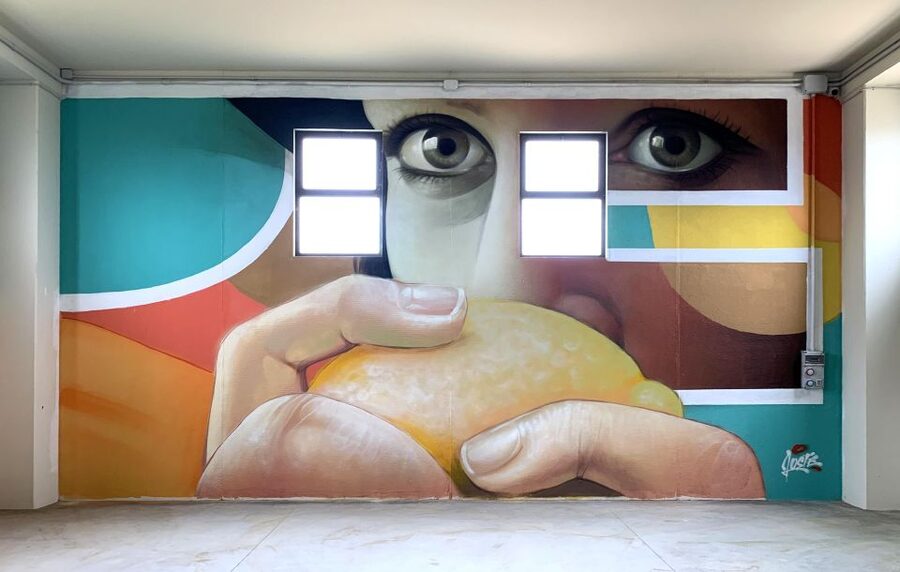
Casa Nepeta makes its bitters from herbs grown in the Iblean territory, and this two-hour visit lets you follow those plants from garden to glass. You’ll walk through the aromatic herb plot, see the factory’s mural by street artist Loste, and learn how the plants become amari.
I like two things in particular: you get to handle and smell the herbs rather than just hear their names, and the tasting gives you a choice of neat pours, ice, or a botanical cocktail. One consideration: transportation is not included, so you’ll need to arrange your own way to Testa dell’Acqua.
What makes this visit worth your time
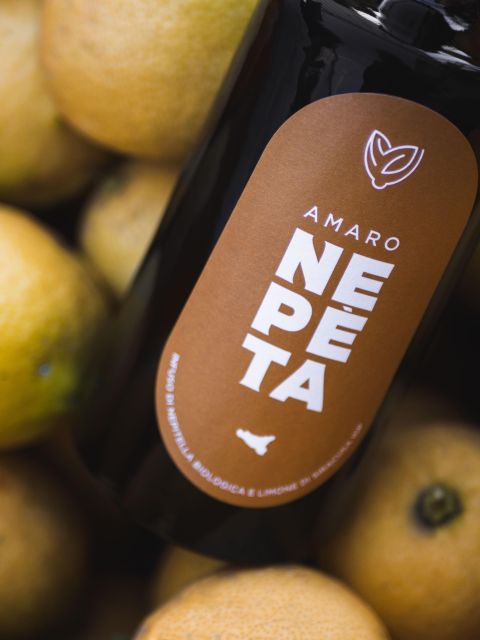
- Three herbs, three liqueurs: Learn how nepitella, marjoram, and wild thyme are used for Nepèta, Majora, and Timous.
- A garden you can engage with: Smell and collect the aromatic plants, with the chance to take them with you.
- A working production story: Inside the factory, hear how the bitters are made rather than stopping at a garden stroll.
- Loste’s mural: The factory’s interior walls carry a mural by the Palermo street artist known for a mural of Falcone and Borsellino.
- A flexible tasting: Try the liqueurs neat, on ice, or in botanical cocktails.
- A personal host: Nicole has led visits with an open, passionate approach to the company and its plants.
From Testa dell’Acqua into the herb plot
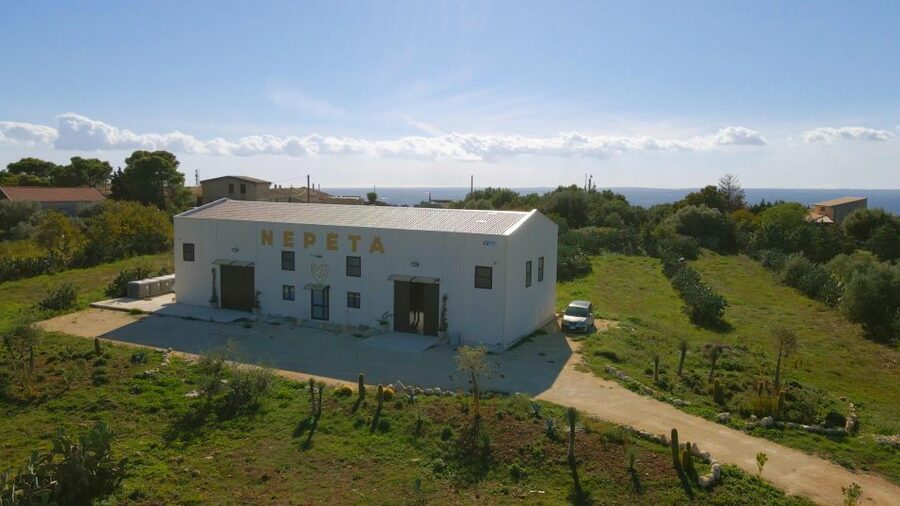
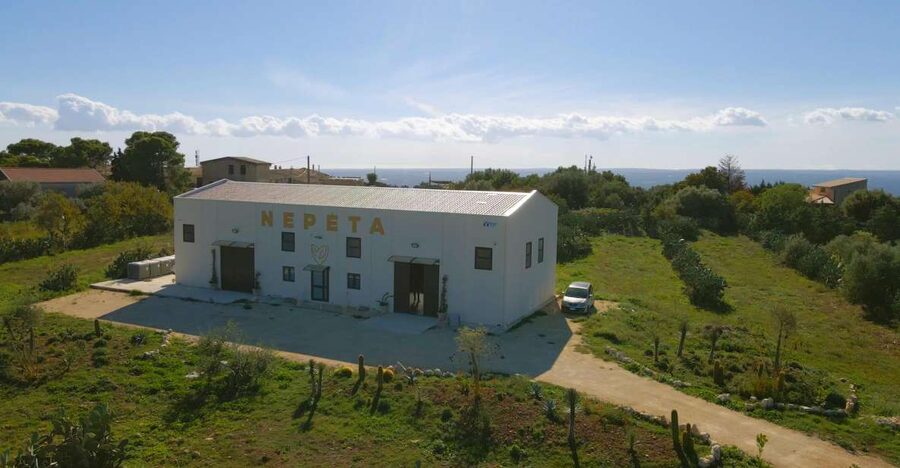
The experience begins at Casa Nepeta’s liquor factory in Testa dell’Acqua, a Sicilian town in the Iblean territory. The activity is built around a simple idea: understand the ingredients before tasting the finished drink. Instead of treating amaro as a bottle on a shelf, you get to see some of the plants that give the liqueurs their character.
The guided botanical walk takes you into the field where the factory grows aromatic herbs. You’ll be introduced to nepitella, marjoram, and wild thyme, and learn which liqueur each plant is used to make. The walk is practical: you can smell the herbs and collect them, with the opportunity to take them with you.
That sensory part is a real strength. A plant’s name and a description of its properties can feel abstract; its scent makes the lesson immediate. You also get a clearer sense of the care behind using a small group of local herbs. One visitor particularly praised the restrained approach to the recipes, noting that the amari did not rely on an unnecessary jumble of herbs. That is a useful point if you prefer a drink with a clear botanical identity to one that tastes like a whole garden in a glass.
The field is also the part of the visit most exposed to weather. Wear comfortable shoes and clothes suited to the conditions, and bring water. No route length or terrain details are provided, so if you need to know more about the walking surface, check directly with the provider before booking.
More Walking Tours in Sicily
- Catania: Heart of the City Guided Walking Tour
★ 4.6 · 708 reviews - Catania: City Highlights Walking Tour
★ 4.7 · 666 reviews - Catania: Street Food Guided Walking Tour
★ 4.9 · 326 reviews
Three plants behind three distinct amari
Casa Nepeta links each plant to a named product. Nepitella is used for Nepèta, marjoram for Majora, and wild thyme for Timous, described as a sugar-free amaro. The walk gives you the chance to connect each name with a real herb rather than trying to remember a list of ingredients after the fact.
The tour also covers plant properties. The information provided does not specify which properties are discussed, so expect an introduction rather than a detailed botanical or medical lesson. The useful distinction is that this is about aromatic and medicinal plants as ingredients in a liqueur-making tradition, not a formal herb-identification course.
Collecting and smelling the herbs makes the experience more engaging, but it is worth keeping expectations in proportion. You are visiting a producer’s herb plot as part of a two-hour tour, not signing up for a full-day foraging outing. Truffle hunting is not included, nor is a visit to the MAT Museum in Testa dell’Acqua. Those are separate activities, not hidden stops in this itinerary.
Inside the factory, with Loste’s mural overhead
After the field, you head inside the liquor factory to learn about the production process. This is where the walk’s plant knowledge meets the finished product: the guide explains how the herbs become bitters and liqueurs, then you can taste what the process produces.
The factory has another point of interest on its walls. Street artist Loste created a mural across the interior, and the artist is known for a mural in Palermo depicting Falcone and Borsellino. That gives the production visit a visual element beyond equipment and bottles. The tour information does not describe the factory’s machinery or promise a live production run, so think of this as a guided explanation of the process, not a hands-on distilling workshop.
A visitor has described Nicole as a warm and passionate host who made the experience work for the whole group. A separate account thanks Sabine and Fabio, so the person leading or welcoming you may vary. The consistent draw is a personal account of the company and its work, rather than a scripted tasting-room pitch.
That matters at a small producer. You can ask how the herbs are chosen and hear about the people behind the bottles, while the guide ties those answers to the field you have just walked through. The experience’s appeal rests less on technical complexity than on making the process understandable and human.
Tasting the liqueurs your way
The tasting is the natural finish. You can sample the amari neat, over ice, or in botanical cocktails. If you are used to tasting spirits only as after-dinner drinks, the cocktail option gives you a different way to experience the herbal flavors. If you prefer to assess the liqueur on its own, ask for a neat pour; ice offers a middle ground.
A particularly strong part of the experience is the contrast between the plants in the garden and the drinks in your glass. You have just smelled the ingredients, heard how they relate to particular bottles, and learned the broad production process. The tasting then gives you a chance to decide what those choices mean in flavor. The supplied details do not promise a fixed number of samples or name specific cocktails, so the exact lineup may depend on the visit.
One past visit ended with a botanical cocktail described as especially good, alongside the amaro tasting. Another account mentions delicious eats, but meals are not included in the stated package. Treat any food as an extra or a possible addition, not something to count on being served. The included elements are the guided botanical walk, production-process tour, and tasting of bitters and botanical cocktails.
The tasting is best approached as a chance to learn, not as a reason to expect a long drinking session. The full experience lasts two hours and includes the garden and factory as well as the drinks. If you do not drink alcohol, ask the provider what alternatives are available; none are specified in the information for this activity.
More food and drink tours in Catania:
- Catania: Mount Etna Morning or Sunset Day Trip with Tasting
★ 4.8 · 4,028 reviews - From Catania: Mount Etna Sunset Tour with Tasting and Cave
★ 4.7 · 1,119 reviews - Catania: Etna Morning Excursion with Tasting and Pickup
★ 4.8 · 820 reviews - Catania: Etna Nature Tour with Hiking, Cave Visit, & Tasting
★ 4.7 · 502 reviews
Is $58 fair for two hours?
At $58 per person, this is not a cheap drink stop. You are paying for more than a sample: the price covers the guided walk, the plant introduction, the factory visit, and the tasting. The value is strongest if you are curious about local ingredients, small-scale production, and how a regional product gets from field to bottle.
It is less compelling if your main goal is simply to taste a few liqueurs. You can likely find amaro elsewhere, while the combination of the herb plot, the production explanation, and the mural is specific to this visit. The amount of tasting is not stated, and neither are group size or the precise level of technical detail. If you want a deep production demonstration or a full meal, those are not promised here.
The two-hour length is a useful fit between sightseeing stops. It gives the visit room to include the field, the factory, and a tasting without taking up half a day. Still, you need to factor in getting to Testa dell’Acqua: transportation is not included, and the description does not give a transfer or pickup option.
Booking is flexible, with free cancellation up to 24 hours before the activity and a reserve-now, pay-later option. Those terms can help if your plans are still taking shape, but check the available starting times before building the rest of your day around the visit.
Who will get the most from Casa Nepeta
I’d put this on the list if you enjoy food and drink experiences that explain where the flavor comes from. It suits curious drinkers, herb and garden enthusiasts, and anyone who likes meeting the people behind a local product. You do not need to be an amaro expert: the walk starts with plants you can see and smell, then connects them to the bottles.
It can also work for a mixed group, since the visit includes a garden walk, a visual feature in the factory, and a tasting with several serving options. The activity is listed as wheelchair accessible, though no further route or facility details are given. If you need specific access information, ask Casa Nepeta before you book.
This is not the best fit if you want a museum visit, truffle hunting, a meal, or transport arranged for you. Those are explicitly outside the activity. Nor should you choose it expecting a long countryside hike: the walk is part of a two-hour factory visit, and its length is not specified.
Should you book this botanical amaro tour?
Book Casa Nepeta if you want a close look at how local herbs shape Sicilian bitters, and you like tasting something after you have met its ingredients. The garden-to-factory-to-glass sequence makes the visit more memorable than a stand-alone tasting, and the personal hosting is a welcome part of its appeal.
Skip it if transportation to Testa dell’Acqua is a problem you cannot solve, or if you need a guaranteed meal, a detailed technical workshop, or a set number of tastings. For the right person, $58 buys a compact, place-specific experience with plants, production, art, and a cocktail at the end. Bring comfortable shoes, water, and curiosity about what a handful of herbs can do.
FAQ
How long does the Casa Nepeta experience last?
The activity lasts two hours. Check availability for the starting times offered on your date.
Where does the tour take place?
It takes place at the Casa Nepeta liquor factory in Testa dell’Acqua, Sicily.
What is included in the $58 price?
The activity includes a guided botanical walk, a tour about the amari production process, and a tasting of bitters and botanical cocktails. You can also learn about and collect aromatic herbs.
Which herbs and liqueurs are covered?
The tour introduces nepitella, used for Nepèta, marjoram, used for Majora, and wild thyme, used for Timous, a sugar-free amaro.
Is transportation included?
No. Transportation to and from the activity location is not included.
What languages are available?
The host or greeter speaks Italian, English, and Spanish.
Can I cancel, and is the activity wheelchair accessible?
You can cancel up to 24 hours in advance for a full refund. The activity is listed as wheelchair accessible.
Newest tours in Catania
- Typical Pottery Experience with local Artisans in Catania★ 5.0 · 15 reviews
- Catania AIRPORT transfer From / To Taormina★ 5.0 · 3 reviews
- Private Transfer from Taormina to Syracuse (Direct or with Stops)★ 5.0 · 12 reviews
- Private tour of Catania and the Riviera of the Cyclops★ 5.0 · 16 reviews
- Private Tour from Catania to Etna Naxos and Taormina★ 4.5 · 7 reviews
- Transfer Catania / Licata Airport★ 5.0 · 32 reviews
- Transfer Catania / Agrigento Airport★ 5.0 · 3 reviews
- Syracuse Ortigia and Noto Private Tour★ 5.0 · 40 reviews
Walking Tours in Sicily, compared.
Palermo Original Street Food Walking Tour by Streaty
Read our review →
Palermo No Mafia walking tour: discover the Anti-mafia culture in Sicily
Read our review →

Street Food Walking Tour with Local Guide & Tasting
Read our review →Browse the lists this tour appears in