
Reviewed · COOKING CLASSES IN SICILY
Cooking class fresh pasta
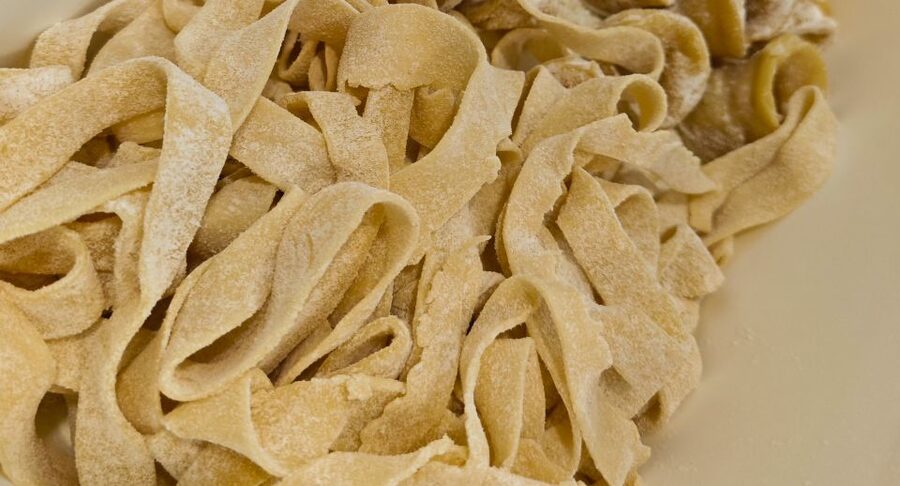
Fresh pasta is the point here, but the real appeal is learning two different doughs: classic egg pasta and Sicilian durum-wheat pasta. With chef Simona and her mother guiding the class, you make several pasta shapes, prepare sauces, then sit down to eat the results.
I like that the class is hands-on, with practical work from mixing dough to shaping pasta, and that the meal lets you taste what you have made rather than simply watching a demonstration. I also like the regional focus: ragù, pasta alla Norma and Sicilian pesto give the lesson a sense of place.
One thing to consider: this is a three-hour cooking class, not a quick tasting stop. You will spend much of the time working with ingredients and learning techniques, so it suits you best if you are keen to cook, not just eat.
What to know before you book
- Two doughs teach different approaches: You work with classic egg dough and Sicilian durum-wheat dough.
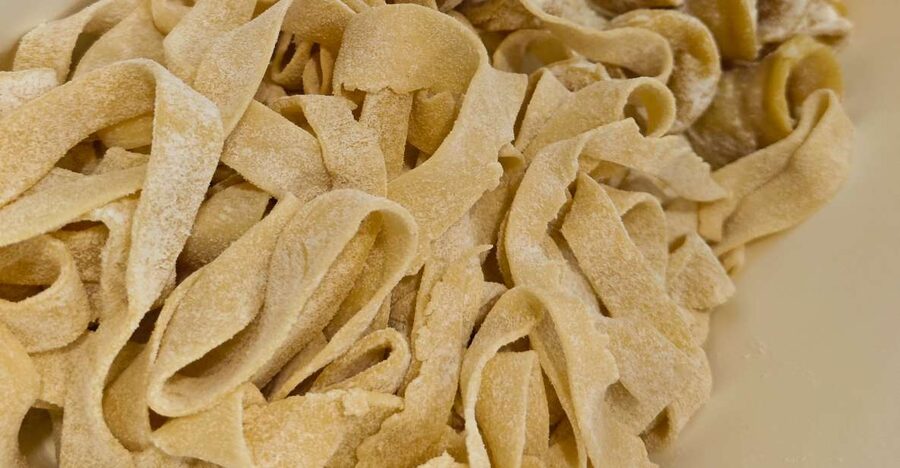
- Three pasta styles are on the menu: The class covers tagliatelle, stuffed pasta and maltagliati.
- Sauces add a Sicilian angle: You prepare ragù, pasta alla Norma and Sicilian pesto.
- The lesson ends at the table: The chef cooks the pasta for a shared tasting with Sicilian wine.
- Simona and her mother lead the class: Their teaching is described as patient, friendly and practical.
- The format is hands-on: The class lasts about three hours and is offered in English or Italian.
Two doughs, not just one pasta trick
The class begins with the foundations: making dough from the raw ingredients. You learn two versions, one based on egg and one using Sicilian durum wheat. That distinction is useful because the lesson is not just about copying a single recipe. It gives you a chance to see how different doughs are used for different pasta styles.
From there, the work shifts to shaping. Tagliatelle offers a familiar starting point, while stuffed pasta puts more emphasis on filling and forming. Maltagliati, whose name means roughly badly cut, is the less uniform shape of the trio. Together, the three styles help you practise different ways of handling fresh pasta rather than repeating one method.
This is the kind of cooking class that makes sense if you want skills to take home. The class is led by a professional chef, and the teaching is described as patient and useful even by people who already cook Italian food. If you have made pasta before, do not assume you will simply be waiting for beginners to catch up. A good demonstration can sharpen habits you already have, and the different doughs give the session more range than a single pasta-making exercise.
The practical setting matters, too. The lesson takes place in a professional cooking laboratory, described as clean and functional. That means you can focus on the work rather than a staged cooking demonstration. Still, this is a class, so expect to take part and follow instructions. If you prefer to sit back and watch someone else do the cooking, this may not be the best use of your time.
More Cooking Classes in Sicily
- Catania: Pistachio Ravioli, Pasta Home Cooking Class w/ Wine
★ 4.7 · 204 reviews - Cooking lesson in Catania with lunch or dinner
★ 5.0 · 154 reviews - Catania: Market Tour and Cooking Class with Chef Riccardo
★ 5.0 · 40 reviews
Tagliatelle, stuffed pasta and maltagliati
Once the dough is ready, you move on to shaping three kinds of pasta. The names are worth knowing before you arrive, but you do not need to be an expert. The point is to get your hands working and learn how dough behaves as you roll, cut or fill it.
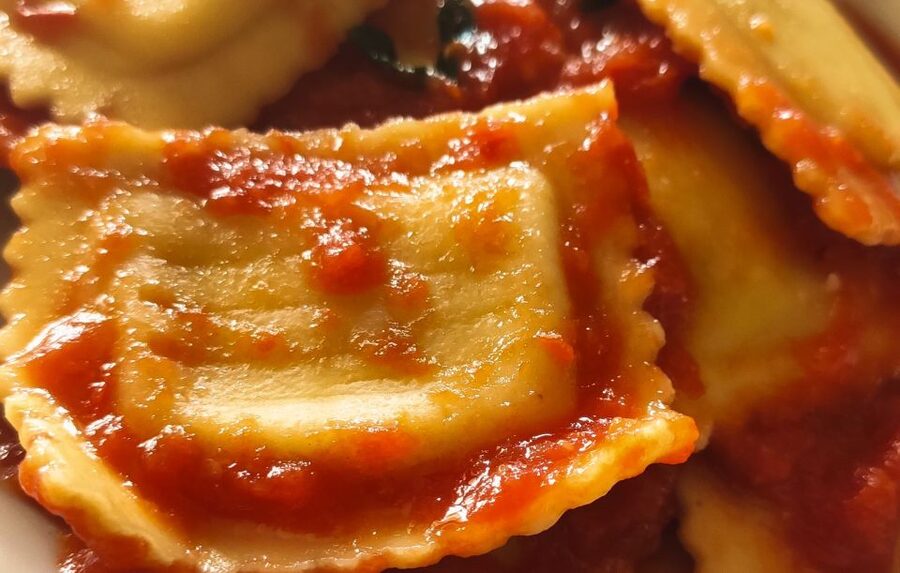
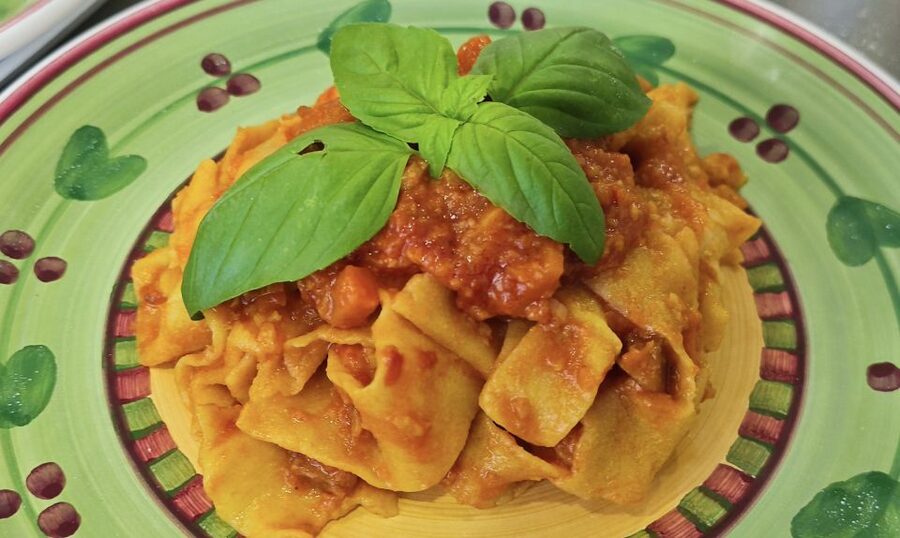
Tagliatelle is the long, ribbon-shaped pasta most people recognize. It offers a useful lesson in rolling and cutting, and it pairs naturally with a sauce such as ragù. Stuffed pasta adds another layer of work: you make a filling and learn how to form the pasta around it. The class includes a ravioli filling, although the details of the filling are not specified in advance.
Maltagliati gives you a third style to practise. It is a rustic, irregular pasta, so it does not rely on every piece looking identical. That makes it a good reminder that fresh pasta is not a precision contest. The aim is to understand the dough and make food you can enjoy.
The promise here is not a long list of dishes to watch the chef prepare. You make the pasta yourself, with guidance. The exact balance of instruction and hands-on time can vary, but the class is presented as interactive, and the pasta-making is its central activity.
Ragù, Norma and Sicilian pesto
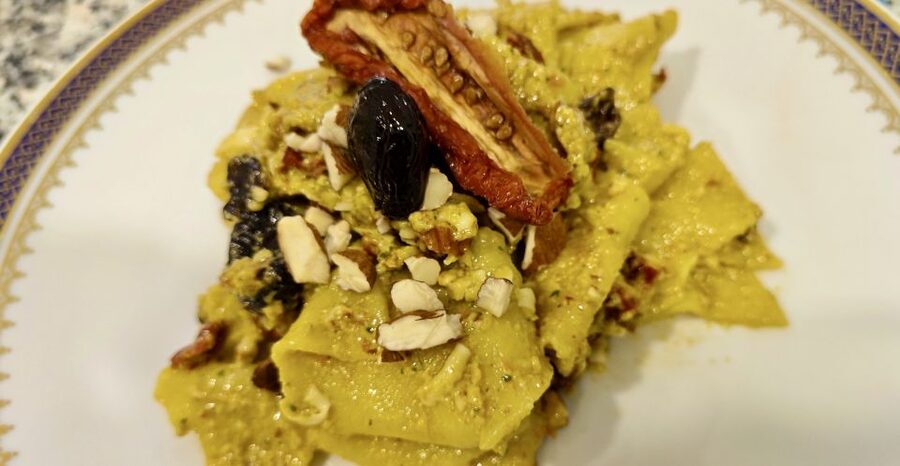
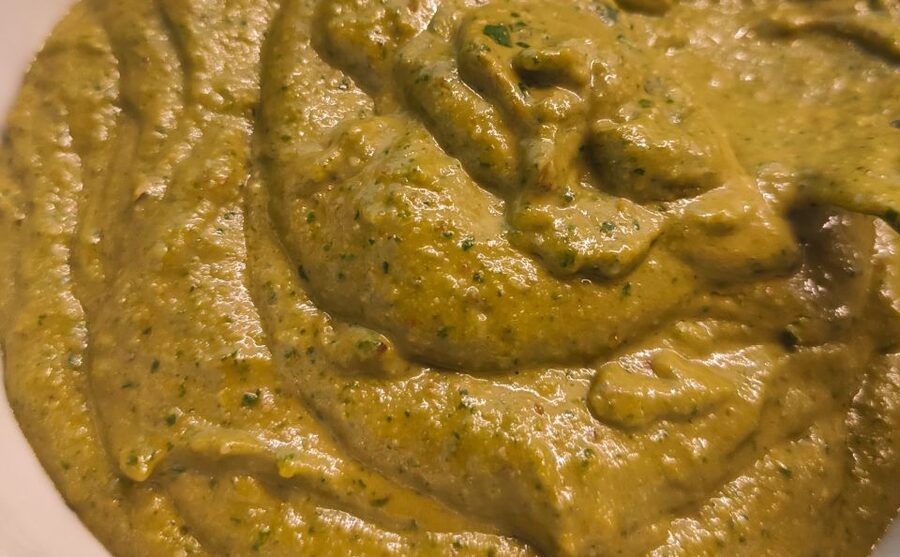
After the pasta comes the seasoning. You learn to prepare three sauces: ragù, Norma and Sicilian pesto. Ragù is a slow-cooked meat sauce, and one account of the class specifically praised the beef ragù. Pasta alla Norma is a Sicilian preparation, while the pesto gives you a different, fresher option.
These sauces are a useful part of the lesson because pasta is only half the meal. Knowing how to make dough is one thing; matching it with a sauce is what turns it into dinner. The class lets you see both parts of the process, then taste them together at the end.
The specific recipes matter to anyone hoping to recreate the experience at home. A few people who took the class received recipes, which is a welcome bonus, but it is not listed as a guaranteed inclusion. If taking written recipes home is important to you, ask the provider before booking rather than counting on it.
A note on expectations: the class highlights these three sauces, but it does not promise that every sauce will be served with every pasta shape. The chef completes the cooking after the preparation phase, and the group then tastes the dishes. Think of this as an introduction to several Sicilian and Italian preparations, not a fixed restaurant-style menu with every possible pairing.
Simona, her mother and the meal at the end
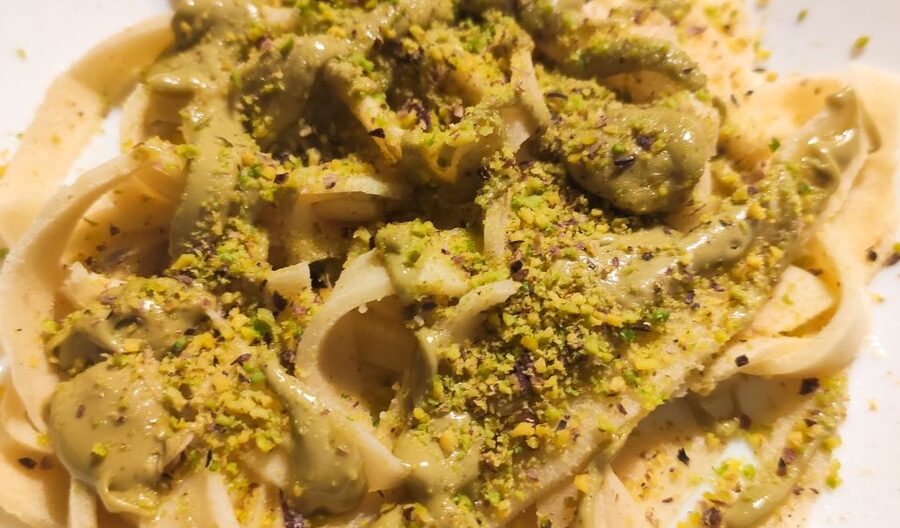
The class is led by a professional chef, and Simona is named in accounts of the experience. Her mother also takes part in hosting and teaching. The human side of a cooking class matters: you are spending several hours in a kitchen, and a warm, patient teacher can make a new technique feel manageable.
The best part is that the lesson does not stop when the pasta is shaped. The chef cooks the food, and you sit down to taste what the group has made. That gives the class a satisfying finish and a chance to see how the dough and sauces work together. The tasting includes Sicilian wine, and one account describes it as rosé. A bottle of wine was also given to one person to take home, but that extra should not be treated as part of every booking.
The meal is more than a snack between activities. It is the payoff for the work and a chance to compare the different pasta styles and sauces at the table. Portions have been described as generous, so you can expect a proper tasting meal rather than a token sample. If you have dietary needs, the information provided does not explain how they are handled. Contact the provider in advance instead of assuming substitutions are available.
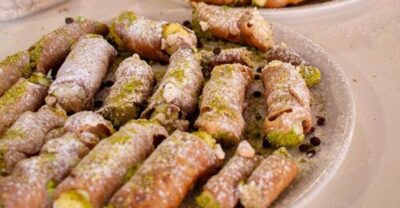
Some accounts also mention cannoli, but it is not part of the stated class outline. If dessert is important to your decision, confirm what is included. The reliably described core is pasta, sauces and a tasting with Sicilian wine.
More hands-on workshops in Catania:
- Catania: Pasta & Tiramisu Cooking Class at a Local’s Home
★ 4.8 · 39 reviews - Private Catania Pasta-Making Class in a Local Home by Cesarine
★ 5.0 · 27 reviews - Cooking Class Arancini in Catania
★ 4.8 · 20 reviews - Catania: Pizza Cooking Class
★ 4.9 · 18 reviews
Is $112.15 a fair price?
At $112.15 per person, this is not a bargain meal, but it can be good value if you want instruction as well as dinner. You are paying for about three hours with a professional chef, practical work on two doughs, three pasta styles, several sauces and the meal at the end. That is a fuller experience than a short demonstration or a restaurant visit.
The value depends on what you want from the time. If you are interested in learning techniques you can use again, the price is easier to justify. You are not only eating pasta; you are taking part in making it and seeing how different doughs and sauces fit together. If your main goal is simply to sample Sicilian food, a meal out may cost less and take less time.
The class has a 4.8 rating from 17 reviews, which is encouraging, though the small number means it should not be read as a guarantee of a perfect fit. The strongest points are consistent: the teaching is hands-on, the hosts are kind, and the food is a highlight. One person who already made Italian food at home still found the class useful, which suggests the session can offer more than a basic first lesson.
You can reserve now and pay later, and cancellation is free up to 24 hours in advance for a full refund. Starting times depend on availability. The class is offered in English and Italian. Since no group size is specified, do not assume it is private or that you will have one-on-one instruction.
Who will enjoy this class most?
This class is a strong match if you like cooking, want a Sicilian food experience with a local host, or would rather learn a practical skill than spend another afternoon sightseeing. It can work for beginners and for home cooks who want to refine their pasta-making. The variety of doughs, shapes and sauces gives both groups something to work on.
It is also a good choice if you enjoy sharing a meal after an activity. The lesson ends around the table, with the food you prepared and Sicilian wine. That makes the class feel like a complete half-day plan, rather than a lesson that sends you straight back out looking for lunch.
You may want to skip it if you have little interest in cooking or are working with a very tight schedule. Three hours is a meaningful chunk of a day, and the hands-on format asks for your attention. It is also worth checking the class details directly if you have dietary restrictions, need a guaranteed recipe handout, or are counting on extras such as dessert or a take-home wine bottle.
Should you book it?
Book this class if you want to make fresh pasta yourself and learn more than one dough or sauce. Simona and her mother lead a practical lesson that moves from preparation to a shared meal, and the mix of tagliatelle, stuffed pasta, maltagliati, ragù, Norma and pesto gives the session real substance.
I would choose it for the cooking, the regional recipes and the chance to eat what you make. I would not book it expecting a quick food stop, a private lesson or a guaranteed set of extras beyond the pasta class and tasting. If a three-hour, hands-on kitchen session sounds like a good way to spend part of your time in Sicily, the price looks reasonable for the amount of teaching and food involved.
FAQ
How long does the cooking class last?
The activity is listed as three hours. The lesson is also described as taking about two to three hours, so plan for roughly three hours.
What kinds of pasta will I make?
You work on tagliatelle, stuffed pasta and maltagliati, using classic egg dough and Sicilian durum-wheat dough.
Which sauces are included in the lesson?
The class covers ragù, pasta alla Norma and Sicilian pesto.
Who teaches the class?
A professional chef leads the lesson. Simona and her mother are named as the hosts and instructors.
What languages are available?
The class is offered in English and Italian.
Is food included after the lesson?
Yes. The chef cooks the pasta, and the class ends with a tasting of the food made, served with Sicilian wine.
What is the cancellation policy?
You can cancel up to 24 hours in advance for a full refund. Booking now and paying later is also available.
Newest tours in Catania
- Typical Pottery Experience with local Artisans in Catania★ 5.0 · 15 reviews
- Catania AIRPORT transfer From / To Taormina★ 5.0 · 3 reviews
- Private Transfer from Taormina to Syracuse (Direct or with Stops)★ 5.0 · 12 reviews
- Private tour of Catania and the Riviera of the Cyclops★ 5.0 · 16 reviews
- Private Tour from Catania to Etna Naxos and Taormina★ 4.5 · 7 reviews
- Transfer Catania / Agrigento Airport★ 5.0 · 3 reviews
- Transfer Catania / Licata Airport★ 5.0 · 32 reviews
- Syracuse Ortigia and Noto Private Tour★ 5.0 · 40 reviews
Cooking Classes in Sicily, compared.
Seaview Cooking Class & Taormina local flavors with Chef Mimmo
Read our review →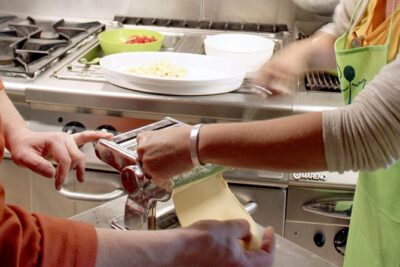
COOKING CLASS in Taormina at Chef Massimo HOUSE!!
Read our review →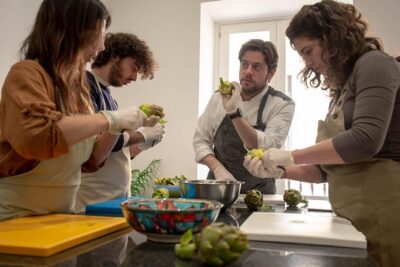
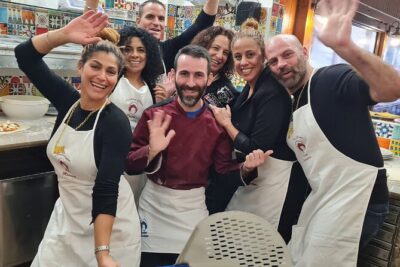
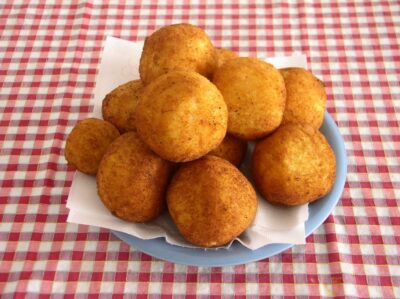
Cannolo Cooking Class with Completion Certificate
Read our review →
Browse the lists this tour appears in