
Reviewed · ORTIGIA TOURS
Syracuse: Ortigia and Neapolis Guided Walking Tour
Syracuse’s past isn’t tucked away in a museum. It is built into its cathedral, carved into the Neapolis quarries, and spread across the narrow lanes of Ortigia. This private walking tour links those places in three hours, giving you a guided introduction to the Greek Theater, Roman Amphitheater, and the island’s landmark sights.
I like two things in particular: the guide can connect Syracuse’s Greek origins with later Roman, Arab, and Spanish chapters, and a private group makes it easy to pause, ask questions, and set a family-friendly pace. Guides including Anna and Giuseppe are repeatedly praised for lively storytelling and patience.
The main consideration is cost. The $317.20 group price covers up to five people, but monument admission is extra, so your total will be higher. Three hours also means a brisk visit to two areas with a lot to see.
- Temple inside the cathedral: Syracuse Cathedral incorporates the ancient Temple of Athena, so one stop brings together pagan and Christian architecture.
- Neapolis in one guided visit: See the Greek Theater, Roman Amphitheater, Paradise Latomia, and Ear of Dionysos.
- A private group of up to five: At the listed rate, the per-person tour cost falls as your group fills.
- Human stories, not just dates: Guides such as Anna and Giuseppe are praised for answering questions and making history engaging for adults and children.
- A separate park entry fee: Admission is not included, despite the tour’s skip-the-ticket-line feature.
- Walking essentials matter: Wear comfortable shoes and bring water and a hat, especially for the exposed archaeological park.
Two Sides of Syracuse in Three Hours
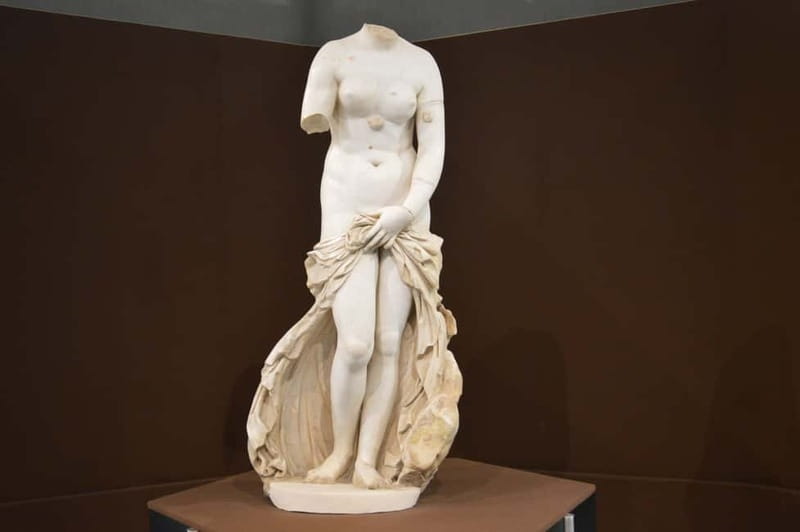
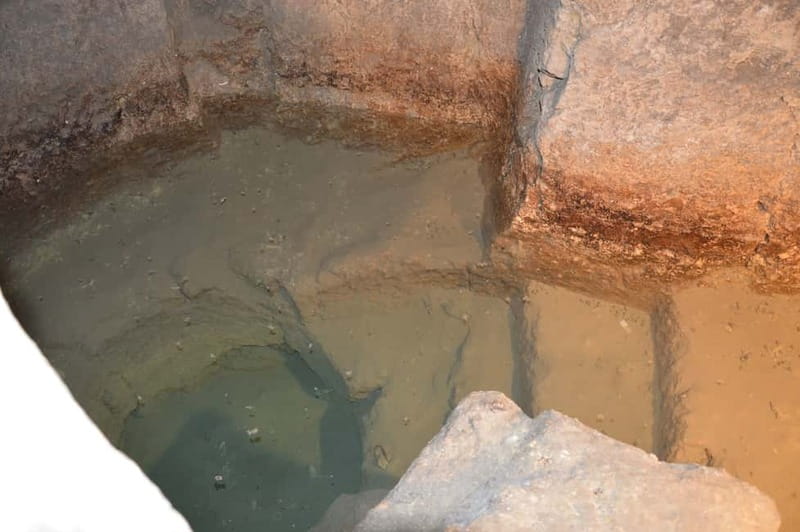
This tour joins Neapolis, Syracuse’s archaeological park, with Ortigia, the compact island at the heart of the city. They are different experiences: Neapolis puts monumental Greek and Roman remains in view, while Ortigia folds its long past into streets still used as part of everyday city life.
That contrast is what makes the pairing useful. At the park, your guide can explain the scale and purpose of ancient structures; in Ortigia, you can see how later periods reshaped a city whose story began long before the cathedral or the island’s present-day lanes.
The tour is private for groups of up to five. That matters in a place where questions often lead to the best explanations. You can ask your guide to clarify a date, linger over a detail, or adjust the pace for children or slower walkers without having to keep up with a large group.
The experience is listed as three hours, though some visits have taken longer. Treat three hours as the plan, not a guarantee of an unhurried tour, and tell your guide if you have a firm finish time.
Starting at Neapolis Archaeological Park
The stated meeting point is the ticket office at Via Luigi Bernabò Brea, where your guide meets you with a sign bearing the local partner’s name. The tour also gives the Temple of Apollo as another possible starting location, so check the meeting details for your specific departure rather than assuming every tour begins in the same place.
Neapolis is a substantial archaeological area, and a guide helps you read it as more than a collection of ruins. Greek and Roman buildings sit within a broader account of Syracuse’s importance, and good interpretation helps connect the structures to the city’s role in the ancient Mediterranean.
Your guide provides a headset so you can hear explanations more clearly while moving through the sites. That is a practical plus in an open-air park, where the group may spread out and ambient noise can make a quiet voice hard to catch.
The tour advertises skip-the-ticket-line access, but the park’s admission fee is not part of the tour price. One quoted fee was €13 per person; check the current charge before you go, and budget for it separately.
More Walking Tours in Sicily
- Syracuse: Street Food Walking Tour in Ortigia with Tastings
★ 4.9 · 293 reviews - Syracuse: Ortigia Private Walking Tour
★ 4.8 · 181 reviews - Syracuse: Ortigia Classic Walking Tour
★ 4.7 · 167 reviews
The Greek Theater and Ionian Sea Views
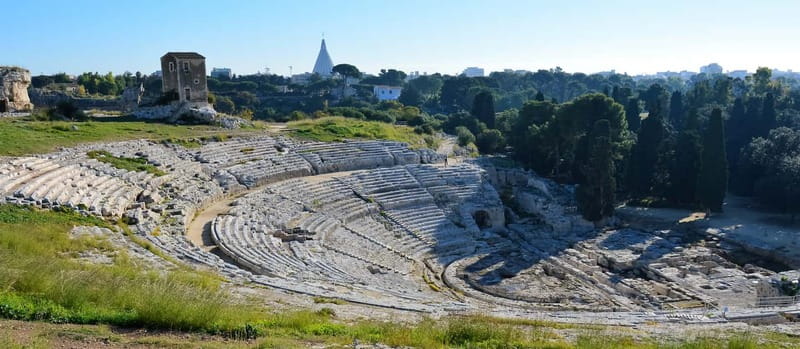
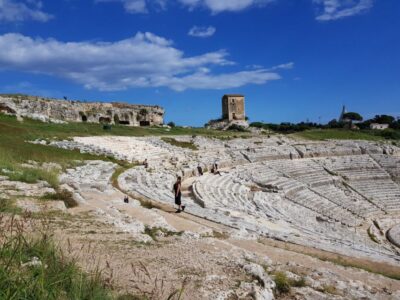
The Greek Theater is one of the park’s central sights, and its setting gives the visit a moment of scale. From the theater, you can look toward the Ionian Sea, a reminder that Syracuse’s ancient importance was tied not only to its buildings but to its position on the water.
A guide can help you understand the theater’s place in the city’s Greek history and religious life. Rather than simply stopping for a photograph, you get context for why a performance space of this size mattered and how it fits among the other remains.
The Roman Amphitheater adds a different layer to the visit. Seeing both sites on one walk lets you compare the city’s Greek and Roman periods without having to piece together the timeline alone.
Expect walking between sites, and remember that the archaeological park is not a shaded indoor attraction. Comfortable shoes, a hat, and a bottle of water are sensible choices. The tour is marked wheelchair accessible, but if you have particular mobility needs, confirm what the route can accommodate before booking.
Paradise Latomia and the Ear of Dionysos
The Paradise Latomia is an ancient quarry, a place where the landscape itself helps explain the work and scale behind Syracuse’s monuments. Its name may sound like a garden, but the stop is part of the park’s archaeological story: the city’s stone was cut from the ground around it.
The Ear of Dionysos is another memorable feature of the park. Its shape and setting have helped make it one of the best-known stops, and a guide can add the historical tales and context that give the site more meaning than a quick look from the path.
These stops also offer a change of pace from the theater. You move from monumental public architecture to the cut stone and unusual forms of the quarry area, seeing how the park contains both civic grandeur and the traces of the labor that supported it.
Your guide’s ability to connect these places is a major part of the tour’s value. Guides Anna, Giuseppe, and Marcelo have been singled out for bringing history to life, answering questions, and mixing historical detail with stories. Marcelo, in particular, has led a longer visit that covered both the park and Ortigia, while Giuseppe has been praised for keeping teenagers engaged with interactive storytelling.
Ortigia and the Temple of Athena
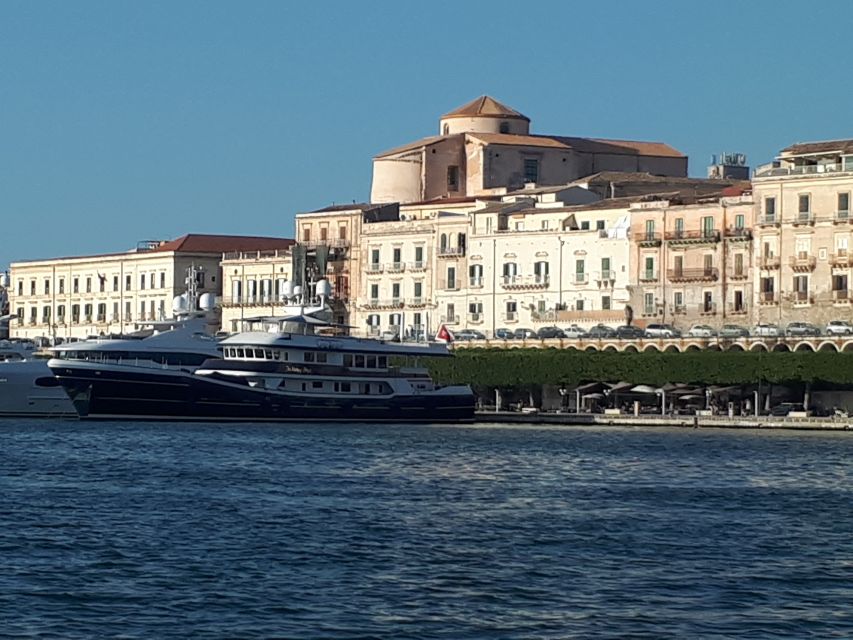
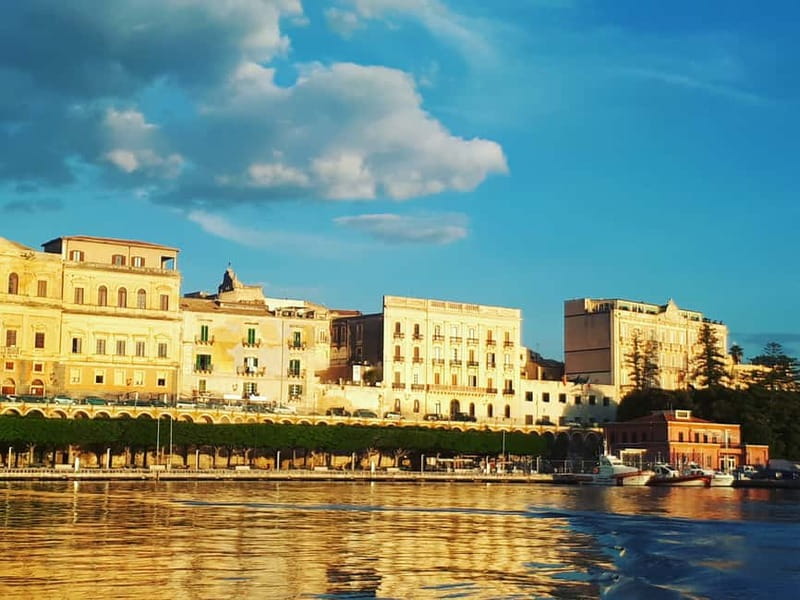
Ortigia is a lime-white island of close-set streets and historic landmarks. A guided walk through its lanes helps you orient yourself and notice how the city’s different eras share the same small footprint.
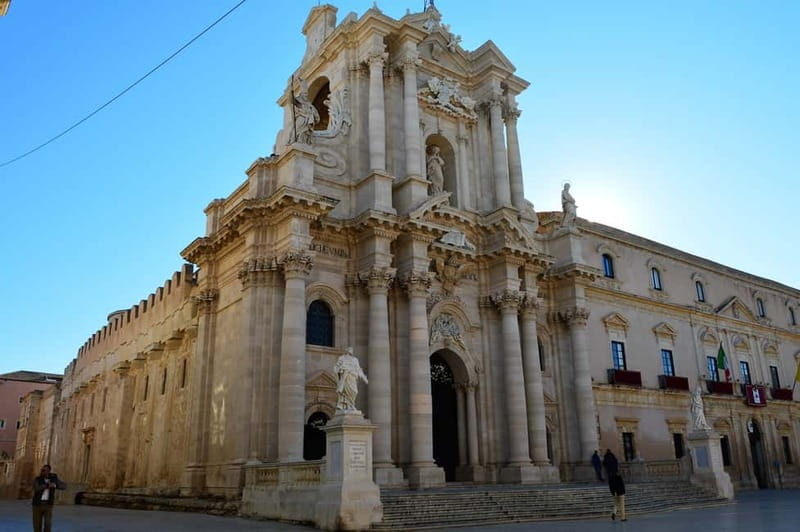
The standout link between ancient and later Syracuse is the Cathedral of Syracuse. It incorporates the Temple of Athena, so the building’s story is not a simple change from one religion to another. The old temple remains part of the cathedral’s structure, and your guide can point out the architectural styles and explain how the building changed over time.
This is one of the tour’s most rewarding stops for anyone interested in how places are reused. You are not looking at a separate ruin beside a church; you are seeing a later place of worship built around an ancient one. That makes the shift in religious practice tangible.
The guided walk is also a chance to get the shape of Ortigia in your mind before exploring on your own. The streets form a maze, and the guide can help connect the cathedral and other key sights to the island’s broader history. The experience is described as a walk through the island’s main highlights, rather than an exhaustive visit to every monument.
More Ortigia tours in Syracuse:
- Siracusa: Ortigia Boat Tour with Marine Grotto
★ 4.7 · 617 reviews - Siracusa: Ortigia & Sea Caves Speedboat Tour with Swim Stop
★ 4.9 · 499 reviews - Syracuse: Pillirina, Ortigia, and Sea Caves Tour by Boat
★ 4.6 · 348 reviews - Syracuse: Ortigia Island and Sea Caves Boat Tour with Drinks
★ 4.6 · 337 reviews
Guide Style and Family Pace
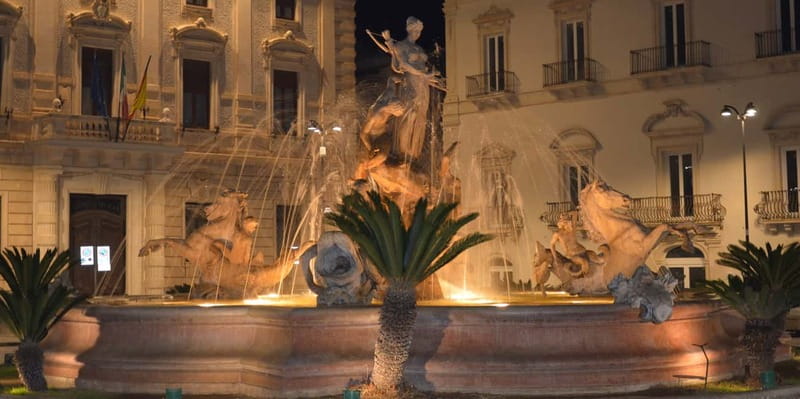
The guide is the difference between a fast checklist and a tour that gives each place a context. Anna is praised for her command of local history, architecture, and art, as well as a smooth pace that leaves room for questions and photos. Giuseppe is often noted for energetic, interactive storytelling, including with teenage children.
That range matters because this tour covers material that can easily become a string of dates. A good guide can make Greek origins, Roman rule, and later Arab and Spanish periods feel like connected chapters rather than separate facts. You can also ask about details that catch your eye, which is harder to do in a large group.
Children of all ages can join, and the guide is expected to involve both parents and children. That does not mean every stop will hold the attention of every child, but the private format gives your family more flexibility than a fixed group walk.
The tour runs in English, French, Italian, Russian, Spanish, and German. Headsets are included to help you follow along. If you have a particular language preference, confirm that it is available at your chosen starting time.
What the Price Buys
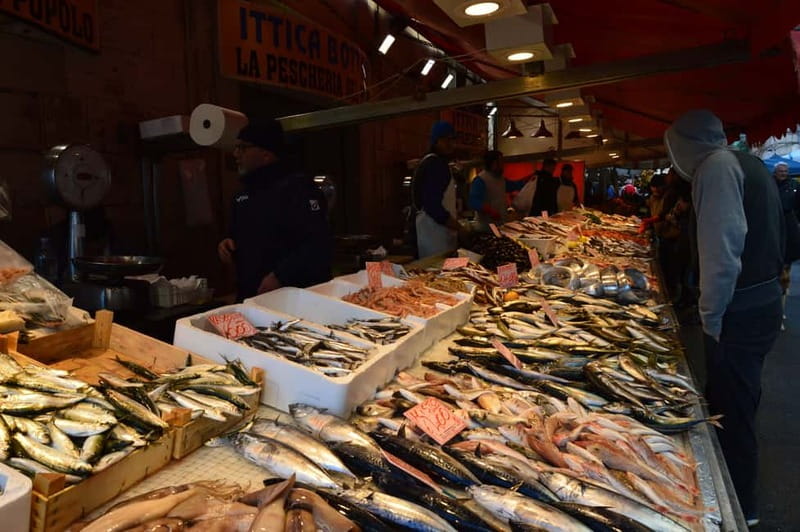
The listed price is $317.20 for a private group of up to five. At a full group, that works out to about $63.44 per person for the guide, headset, and three-hour experience. For one or two people, the same group rate is a much larger outlay per person, so the value depends in part on how many of you are going.
Park admission is additional, and food, drinks, pickup, and drop-off are not included. That makes the total cost higher than the headline rate, particularly for a full family. Still, a private guide covering both Neapolis and Ortigia can be good value if you want historical explanation, the freedom to ask questions, and help linking sites that might otherwise feel disconnected.
There is a small mismatch in the route details: the activity names two possible starting points and two possible drop-off locations, while the meeting information says the tour ends back at the meeting point. Confirm your exact route and finish point before the day, especially if you have onward plans.
Some tours may also take longer than the stated three hours. One group spent more than four hours with a guide, while another described a 3.5-hour visit that included a short taxi ride between the park and Ortigia. Those accounts show that the experience can stretch, but they do not establish that a taxi or extra time is included in every departure. Ask about any transfer costs or timing if the two areas are not joined on foot in your version.
Who Should Book This Walk
I’d choose this tour if you want a clear first look at Syracuse’s major ancient sites and Ortigia, and you prefer learning with a guide rather than trying to interpret the ruins alone. It is especially suited to families, history-minded couples, or small groups who value the chance to ask questions and move at their own pace.
It may be less appealing if you want to spend a long time inside individual monuments, explore independently, or keep costs low. The three-hour schedule covers a lot, but it cannot turn a short visit into a full archaeological study. You will also need to budget for the park entrance fee separately.
For the best fit, book when you can make use of the private format, arrive ready to walk, and verify the start and finish details. If that sounds right, the combination of the Greek Theater, quarry sites, and Athena’s temple within the cathedral makes this a practical way to understand why Syracuse’s past is still so visible in its streets.
FAQ
How long is the tour?
The tour is scheduled for three hours. Some visits have taken longer, so leave flexibility in your plans if possible.
How much does the tour cost?
The listed price is $317.20 for a private group of up to five people. Monument admission is not included.
Where does the tour meet?
The stated meeting point is the ticket office at Via Luigi Bernabò Brea, 96100 Siracusa. The activity also lists the Temple of Apollo as a possible starting location, so check the details for your departure.
What sights are included?
The tour covers Ortigia and Neapolis Archaeological Park, including the Cathedral of Syracuse and Temple of Athena, the Greek Theater, Roman Amphitheater, Paradise Latomia, and Ear of Dionysos.
Which languages are available?
The tour is offered in English, French, Italian, Russian, Spanish, and German.
Is the tour suitable for children?
Yes. Children of all ages can join, and the guide will involve both children and parents. Comfortable shoes, a hat, and water are recommended.
Newest tours in Syracuse
- Tour of Syracuse by Ape Calessino★ 3.0 · 3 reviews
- Boat tour of the island of Ortigia and the sea caves★ 4.2 · 4 reviews
- Tecnoparco Archimede Museum Exhibition Ticket★ 4.8 · 14 reviews
- Syracuse:Snorkeling+Pillirina, Ortigia & sea caves boat tour★ 4.8 · 18 reviews
- From Taormina: Syracuse Tour with lunch in Food Market★ 4.9 · 12 reviews
- Syracuse: Sicilian Street Food Hands-On Cooking Class★ 4.9 · 38 reviews
- Syracuse: Sunset Aperitif Tour★ 4.4 · 4 reviews
- Syracuse :Private boat trip con Prosecco/Aperitivo★ 5.0 · 4 reviews
Ortigia Tours, compared.
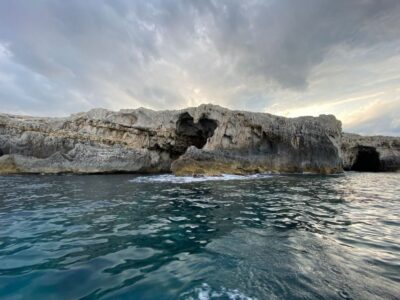
Tour of the island of Ortigia and exploration of sea caves with baths.
Read our review →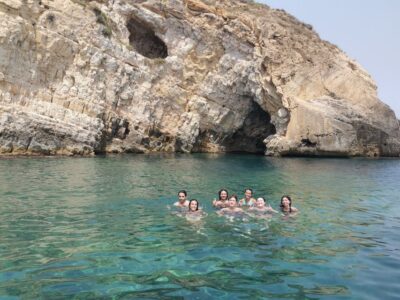
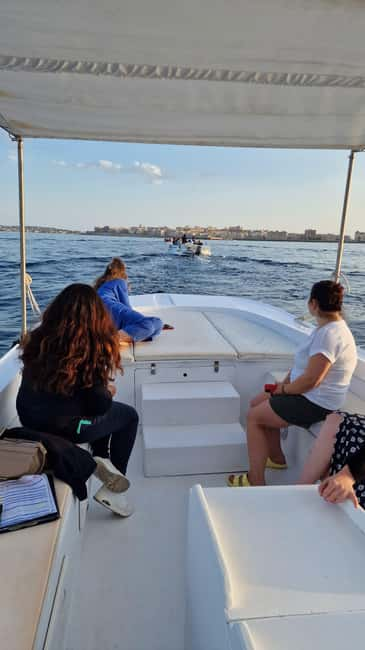
Ortigia & Sea Caves Speedboat Tour with Swim Stop
Read our review →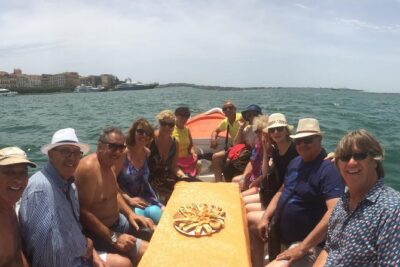
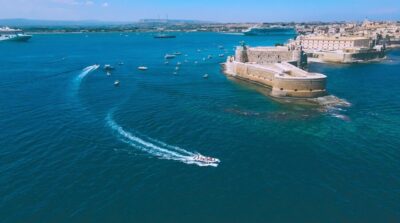
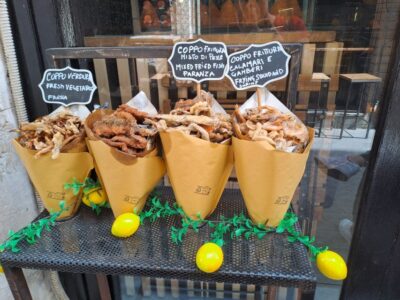
Street Food Walking Tour in Ortigia with Tastings
Read our review →Browse the lists this tour appears in