
Reviewed · CHOCOLATE TASTINGS IN SICILY
Chocolatier for a day: raw bean to bar chocolate in Modica
In Modica, chocolate becomes more than a sweet souvenir: you start with raw cacao beans and follow their change into a bar you make yourself. Over three hours, a master chocolatier guides you through selecting, roasting, grinding and tasting cacao at each stage, then helps you create and package your own bar.
I love the hands-on sequence, which shows what each step contributes, and the chance to taste along the way rather than treat chocolate making as a demonstration from the sidelines. One thing to weigh: the class is taught in Italian, and a foreign-language interpreter is not included, so language may affect how much you get from the explanations.
The experience in a nutshell
- Start with cacao beans: Select beans and learn about cacao origins and varieties before production begins.
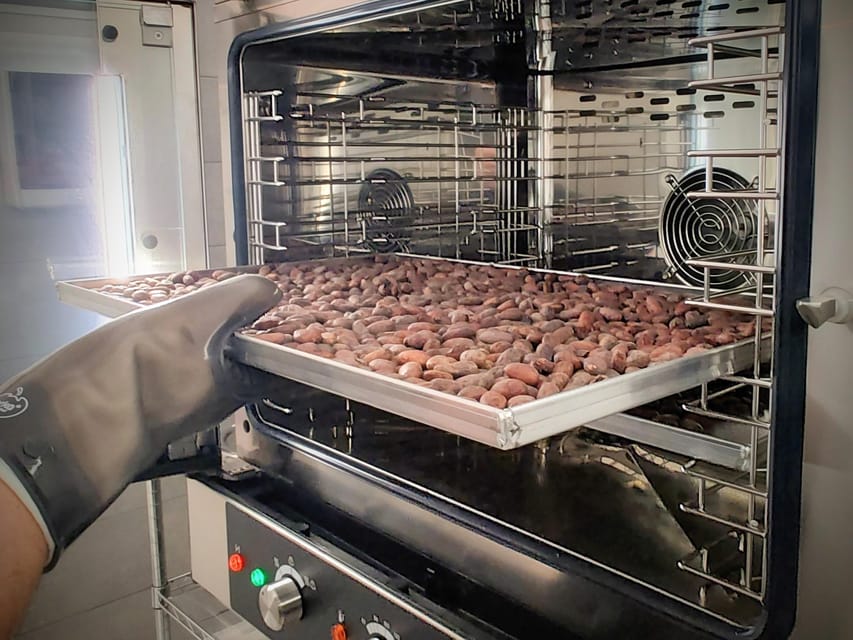
- Follow the transformation: Roast, grind and refine the cacao with guidance from a master chocolatier.
- Taste as you go: Try cacao and chocolate at different stages to notice how the process changes what you taste.
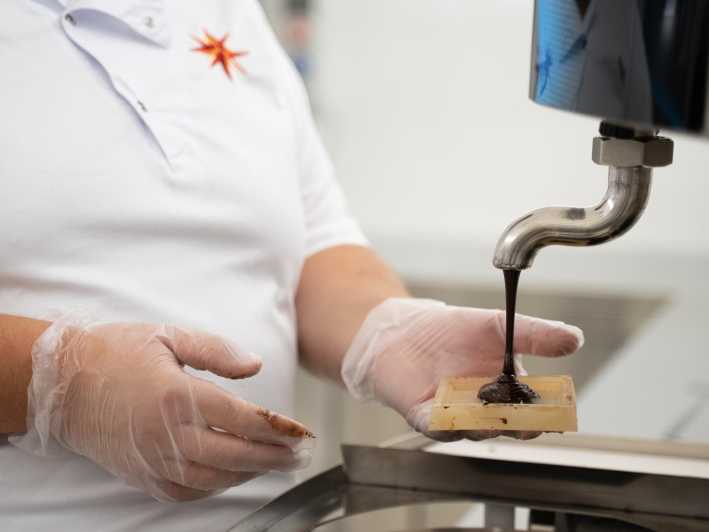
- Make your own bar: Choose ingredients, shape your chocolate and package it to take home.
- Expect a small class: The group is limited to 10, with equipment, materials and protective clothing provided.
From cacao selection to your own bar
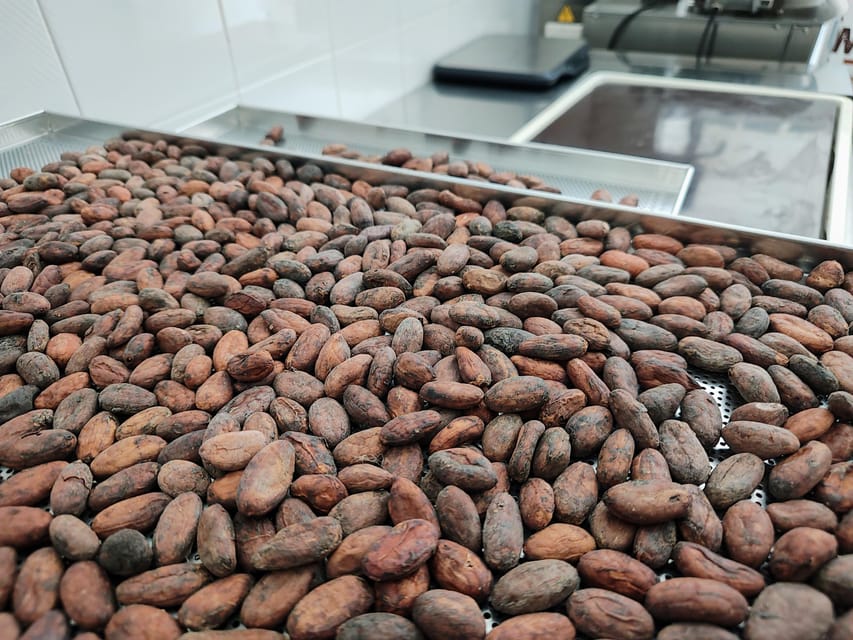
This is a workshop, not a chocolate tasting with a short demonstration attached. You take part in the production, starting with cacao beans and moving through the stages that turn them into chocolate. That makes the three hours useful even if you already know what you like to eat: you get a closer look at how a bar begins.
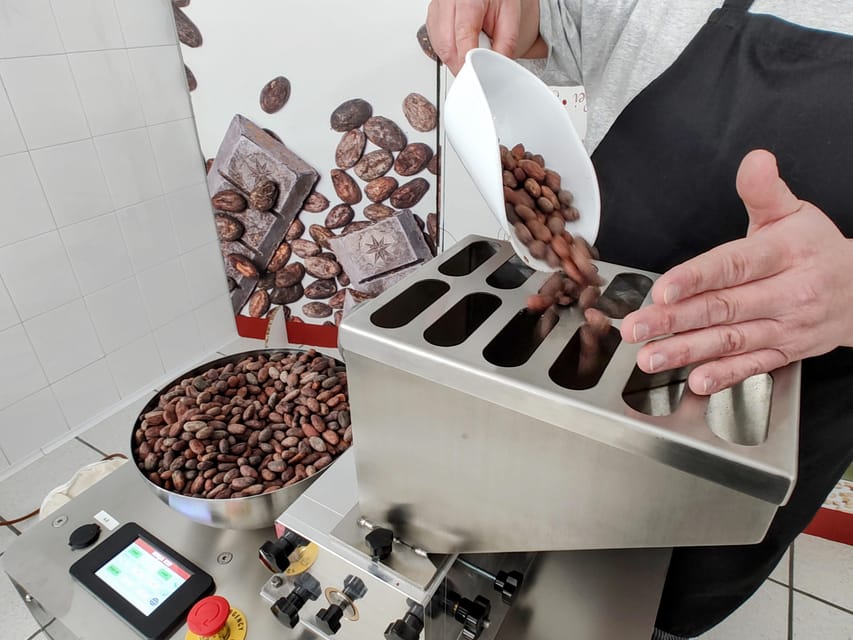
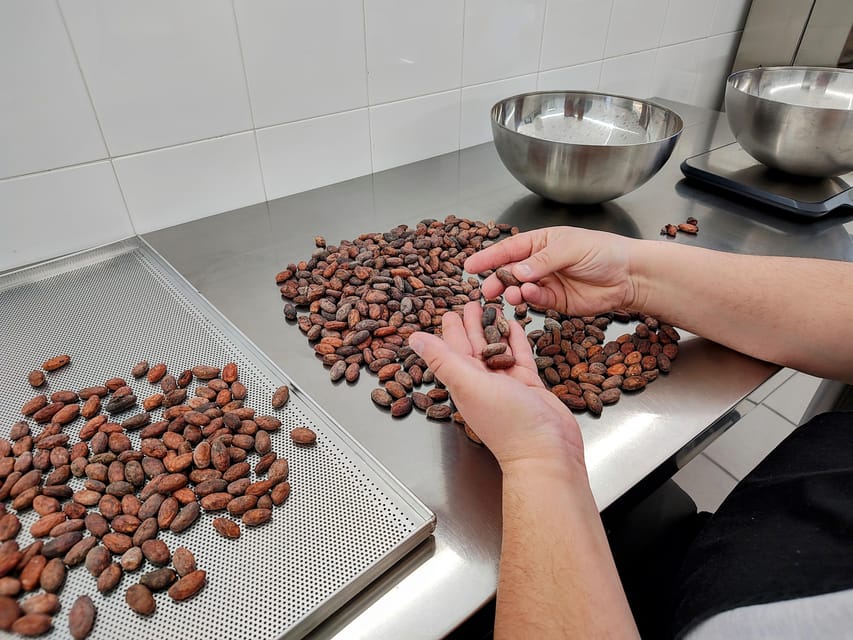
The workshop opens with an introduction to cacao origins and varieties. You then select beans, an early step that helps set the scene for the rest of the session. The experience is led by a master chocolatier, and Giuseppe and Vincenzo are the named instructors associated with it. Their role is not just to hand over equipment; they guide the process and explain what you are doing.
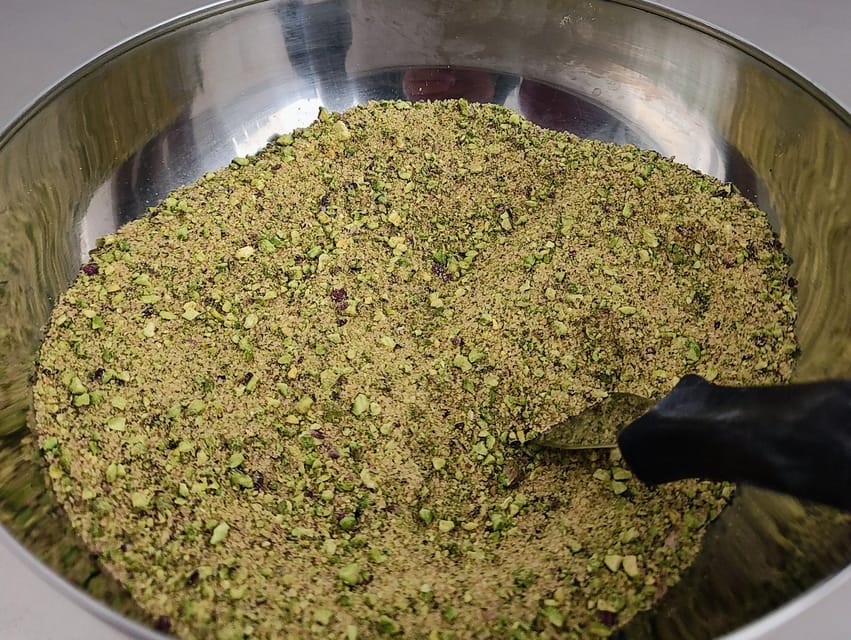
Next comes roasting. You can observe the beans as their aromas develop, then move on to grinding. The cacao is worked with traditional stone grinding, gradually becoming cacao mass. The physical steps give you something more concrete than a general explanation of chocolate production: you see and handle the ingredients as they change.
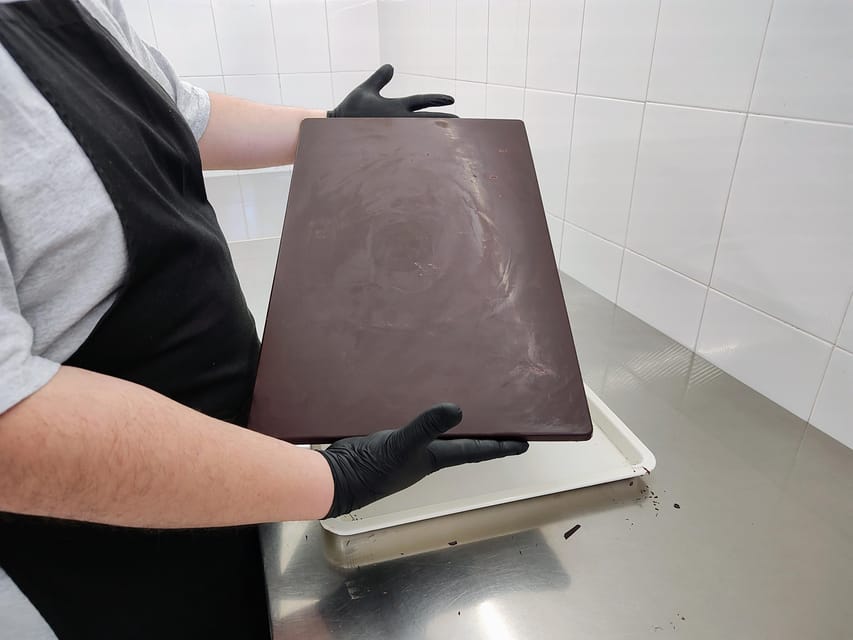
The process also includes refining. The exact time spent on each step, the recipe and the workshop’s equipment are not specified, so don’t assume you will be running a commercial chocolate line from start to finish. The point is to take part in the key stages with guidance, not to leave as a trained chocolatier.
At intervals, you taste cacao and chocolate as production progresses. This is one of the workshop’s most useful features. Instead of sampling only a finished bar, you get to compare the ingredients at different points and connect the flavors with the work behind them. If you are curious about why one chocolate tastes different from another, these tastings give you a practical starting point.
The final stage is personal: you choose ingredients for your own bar, make it and package it. Your finished chocolate is a tangible reminder of the session, and the opportunity to make choices gives the last part a little more character than simply being handed a preset souvenir.
More Chocolate Tastings in Sicily
- Ragusa, Noto and Chocolate Tasting – Day tour from Siracusa
★ 5.0 · 9 reviews - Become a chocolatier for a day, in Modica raw chocolate
★ 5.0 · 8 reviews - Ragusa, Noto and Chocolate Tasting – Day tour from Siracusa
★ 4.7 · 7 reviews
Modica’s chocolate tradition, with a hands-on twist
The class takes place in Modica, a town associated with a distinctive cold chocolate tradition. The workshop introduces this local style as part of the experience, alongside the broader bean-to-bar process. That local context matters: you are not just making chocolate in any kitchen, but learning about a craft connected to the place you have come to visit.
The word cold can prompt questions, especially when the workshop also includes roasting and grinding. The information provided describes both the local tradition and the production stages you will take part in, but does not explain the exact technical differences between Modica chocolate and other styles. If that distinction is a priority for you, ask the chocolatier to clarify it during the introduction.
What you can count on is a mix of explanation and practice. The instructors bring the local craft into the room, while the beans, equipment and tastings help make the process easier to follow. The format suits curious eaters as much as dedicated chocolate fans: you don’t need prior knowledge to take part.
Why tasting at each stage matters
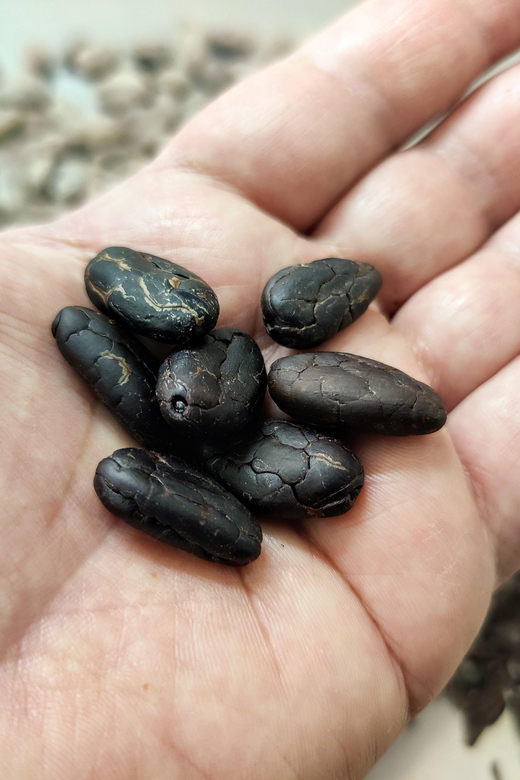
A finished bar can be delicious without telling you much about how it was made. Here, the guided tastings are woven into the production process, giving you a chance to notice cacao at more than one point along the way. That can make the difference between simply enjoying the end product and understanding a little more about its ingredients and transformation.
The tastings also break up the practical work. Selecting beans, roasting and grinding each ask you to pay attention in different ways, and tasting gives you a natural moment to compare what has changed. You are not promised a formal tasting flight with a fixed list of varieties, so go in expecting samples linked to the workshop’s stages rather than a separate, elaborate tasting menu.
This is a good activity for someone who likes learning through the senses. You can smell the beans as they roast, feel the hands-on steps and taste the cacao as it changes. If you want a polished factory tour or a long lecture on cacao agriculture, this is not described as either. Its value lies in being close to the process and guided by people who work with the craft.
A small group makes the workshop easier to follow
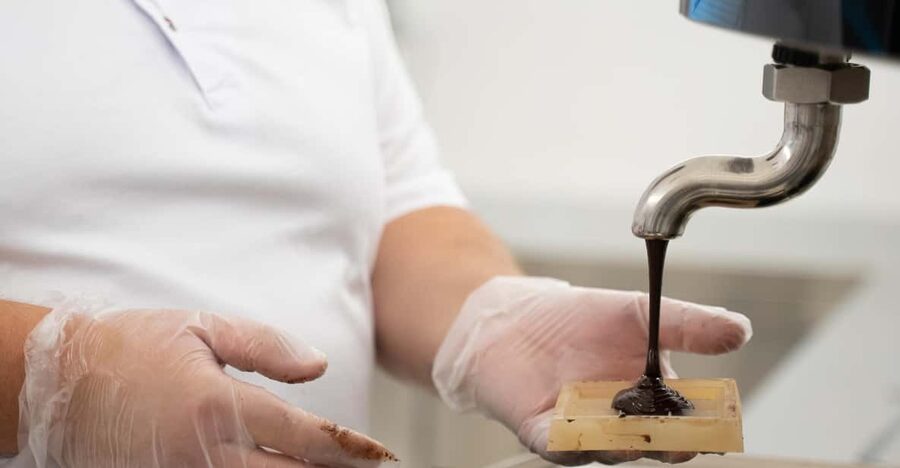
The group is limited to 10 participants, a practical size for a session where people handle materials and use equipment. A small class can make it easier to see the chocolatier’s demonstrations, ask questions and get help as you work. It also keeps the experience more personal than a large group tasting.
The workshop includes use of the equipment and raw materials, plus a disposable gown, cap and gloves. You do not need to bring your own production tools or protective clothing. Do bring a hair tie if you have long hair, as it is specifically recommended for the session.
Families may find the activity works well for children who enjoy making things and can stay engaged through a three-hour workshop. One family took part with a six-year-old, who enjoyed touching, mixing and molding the chocolate. That is an encouraging example, not a stated minimum-age policy, so check directly if you are planning to bring a younger child.
The activity is listed as wheelchair accessible. If you have particular access needs, it is still sensible to confirm the details with the provider before you go, since no further information about the room or equipment is specified.
More sweet stops in Sicily:
- Modica private tour: the chocolate town in Sicily
★ 5.0 · 3 reviews
Language is the main practical question
The instructor language is Italian, and foreign-language interpretation is not included. If you understand Italian, this should be straightforward. If you do not, the hands-on nature of the activity may still help you follow the steps, but you should not count on English interpretation being part of the booking.
An interpreter named Pietro was present for one group, but that does not mean interpretation is routinely provided. Contact the provider before booking if you need translation, or if understanding the background and explanations is central to what you want from the class.
The location is a laboratory in Modica, but transfers to and from it are not included. Plan your own way there and check the exact meeting details when arranging your visit. The experience lasts three hours, with start times depending on availability, so allow enough time around it rather than trying to squeeze it between tightly scheduled activities.
Is $94 worth it?
At $94 per person, this costs more than buying a few bars in a shop. The comparison, though, is not quite fair: the price covers a three-hour guided activity, use of equipment and materials, protective clothing, tastings, instruction and a chocolate bar you make and package yourself.
The value is strongest if you want to understand the process and enjoy a participatory activity. You are paying for time with a master chocolatier and the chance to handle the ingredients, not just for the amount of chocolate you take home. If you mainly want to stock up on Modica chocolate, a shop will be the cheaper option.
The small-group limit helps the price make sense, since this kind of workshop depends on each person having a chance to take part. It is also a useful change of pace on a Sicily trip: a local craft experience that engages your hands and palate, rather than another visit where you spend most of the time looking.
The activity has a five-star rating from 33 reviews, and the strongest praise centers on the same qualities the format promises: warm, passionate instruction; clear explanations; hands-on participation; and plenty to taste. Those are the elements most likely to matter to you, because they shape whether the session feels like a class rather than a novelty.
Who will enjoy making chocolate in Modica
This workshop is a natural choice for chocolate lovers, but you do not have to be an expert or even a serious hobby cook. You mainly need curiosity and a willingness to take part. The process offers enough detail for an adult who wants to learn, while the tactile work can keep children interested when they are old enough to follow instructions and stay engaged.
It also suits couples, families and small groups looking for a shared activity. The limited group size and guided format make it more personal than a quick tasting, while the final bar gives everyone a straightforward memento. If you are traveling with someone who does not eat chocolate, check whether the activity will still appeal to them; the whole experience is built around cacao and chocolate.
Food allergies and intolerances should be reported in advance so the workshop can adapt where possible. Pets and outside food are not allowed. If you have a specific dietary concern, ask before booking rather than assuming that every ingredient can be substituted.
Should you book this Modica chocolate workshop?
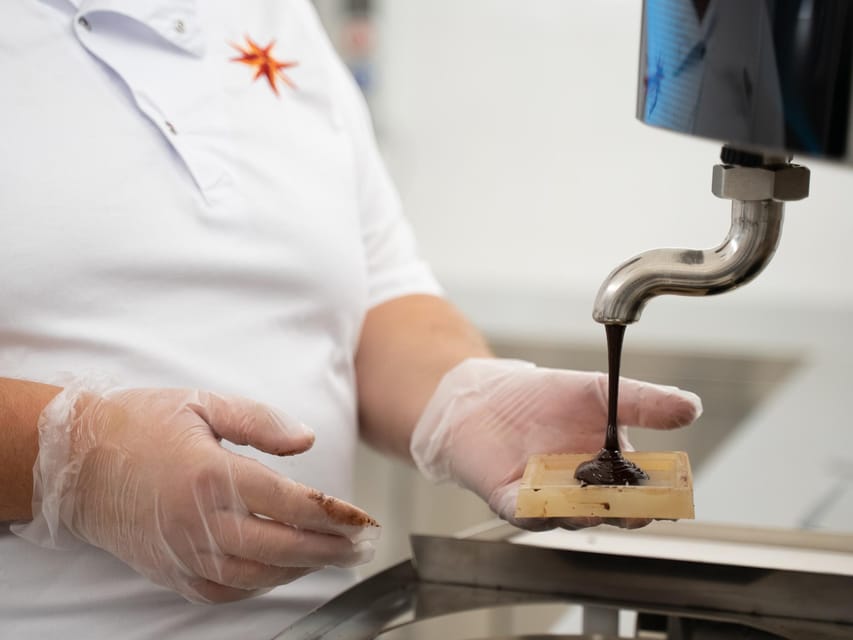
Book it if you want to get your hands into the process, taste cacao at several stages and leave with a bar you made yourself. The combination of local Modica tradition, practical work and guidance from Giuseppe and Vincenzo gives the activity a clear purpose beyond souvenir shopping.
Think twice if you want an English-language class without arranging interpretation, or if your main goal is simply to buy chocolate at the lowest cost. For everyone else, especially curious eaters and families with children who enjoy making things, this is a strong use of three hours in Modica. Tell the provider about allergies or intolerances, tie back long hair, and confirm language and meeting details before you go.
FAQ
How long does the chocolate workshop last?
It lasts three hours. Available starting times vary, so check the schedule when planning your visit.
How much does it cost?
The price is $94 per person.
What will I do during the workshop?
You will learn about cacao origins and varieties, select beans, take part in roasting, grinding and refining, taste chocolate at different stages, and make and package your own bar.
Can I take home the chocolate I make?
Yes. You create your own bean-to-bar chocolate bar, package it and take it home.
Is the class taught in English?
No English instruction is specified. The instructor language is Italian, and a foreign-language interpreter is not included.
How many people can join?
The workshop is limited to 10 participants.
What should I bring?
Bring a hair tie if you have long hair. Equipment, raw materials, a disposable gown, cap and gloves are provided.
Can the workshop accommodate allergies or intolerances?
You should inform the provider about any allergies or intolerances in advance so the workshop can adapt accordingly.
Is the activity wheelchair accessible, and are transfers included?
The activity is listed as wheelchair accessible. Transfers to and from the laboratory are not included.
More drinking tours in Sicily
- Pub Crawl Palermo
★ 5.0 · 595 reviews - Palermo: Guided Bar Crawl with Shots and Discounts on Drinks
★ 5.0 · 465 reviews - Taormina Rooftop & High End Cocktail Bar Walking Tour
★ 5.0 · 8 reviews - Palermo: Craft beer tasting with food samples at High Hops
★ 5.0 · 4 reviews
Newest tours in Sicily
- Private Godfather Tour with Sicilian Cannoli Tasting★ 5.0 · 15 reviews
- Messina Shore Excursion: Private Tour Tindari, Milazzo And Messina★ 5.0 · 4 reviews
- From Messina Cruise Terminal: Private Godfather tour + Lunch★ 5.0 · 29 reviews
- Messina, Group Tour For Etna and Taormina Cruisers★ 5.0 · 15 reviews
- Taormina: Private/Guided Godfather with Authentic Pizza Tasting★ 5.0 · 5 reviews
- Private Taormina White Lotus luxury experience★ 5.0 · 4 reviews
- Etna Alcantara tour: the majestic lava landscape★ 4.5 · 13 reviews
- Half Day Private Tour to Messina Taormina and Castelmola★ 5.0 · 33 reviews
Chocolate Tastings in Sicily, compared.
Ragusa, Noto and Chocolate Tasting – Day tour from Siracusa
Read our review →
Become a chocolatier for a day, in Modica raw chocolate
Read our review →
Browse the lists this tour appears in